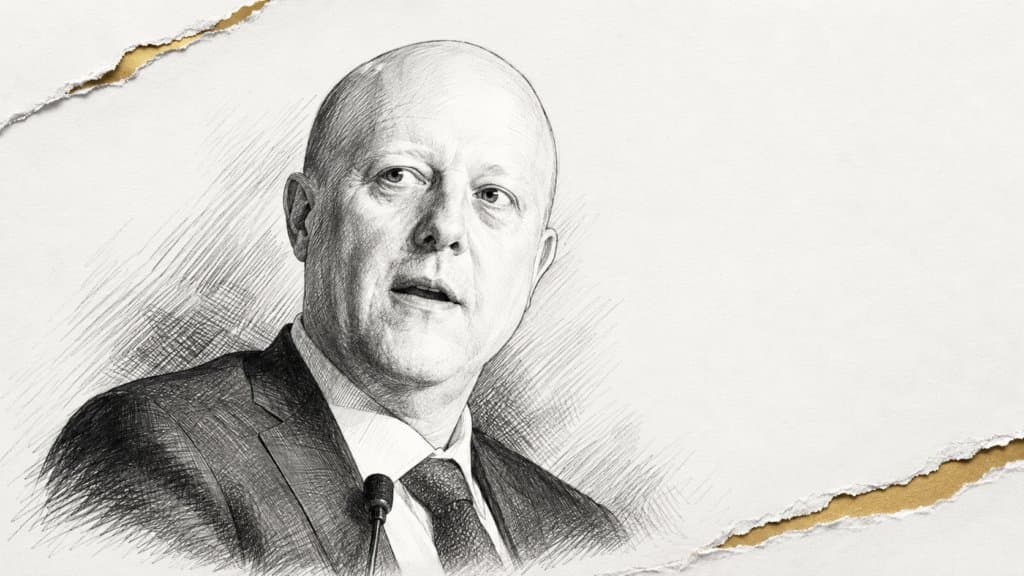
During a recent talk at the University of Kansas Business School, Ripple CEO Brad Garlinghouse disclosed that in 2020, the company seriously considered shutting down as a response to the SEC's lawsuit. This drastic move involved distributing XRP holdings to shareholders, highlighting the precarious position Ripple found itself in at that time. However, instead of dissolving, Ripple opted to fight back, investing a staggering $150 million in legal defenses.
The legal saga concluded in August 2025, with Ripple facing a $125 million penalty, yet gaining a pivotal legal ruling that classified XRP as a non-security when traded on secondary markets. This critical clarification has implications far beyond Ripple itself, potentially influencing the broader cryptocurrency regulatory framework.
In the aftermath of this litigation, market sentiment appears to be uneasy regarding XRP's future. The probability of XRP hitting the $3.00 mark in July has diminished, dropping from 3% to 2.2%. This shift in market dynamics suggests that investor confidence may be swayed by Ripple's turbulent past and ongoing regulatory challenges.
Moving forward, Ripple's strategic decisions will be vital in shaping market expectations. Observers will likely keep an eye on Ripple’s public statements and any developments concerning regulatory actions. The broader cryptocurrency market's performance, along with legislative initiatives like the CLARITY Act, could further impact XRP's pricing and trading behavior. Enhancing this narrative, the ability of XRP to breach significant resistance levels will serve as a barometer for a more optimistic market sentiment.
This material is informational and not financial advice.