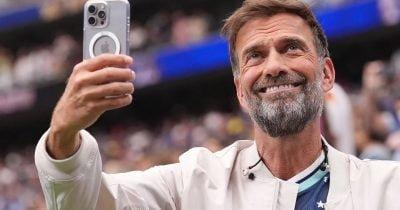
The imminent appointment of Jürgen Klopp as Germany's national football team coach is a significant move for both the Bundesliga and the nation's international aspirations. After a tumultuous exit in the 2026 FIFA World Cup, where Germany shockingly failed to advance past the round of 32, the leadership shift comes at a critical juncture. Negotiations for a reported four-year deal are underway, with the DFB looking to secure a strong figure to guide the team through both the 2028 Euro and the 2030 World Cup.
Context: A Need for Stability
With Julian Nagelsmann's resignation following the disappointing World Cup performance, the urgency to fill the coaching vacancy has become apparent. The DFB President Bernd Neuendorf and Vice President Hans-Joachim Watzke are reportedly in New York to finalize discussions with Klopp, whose own coaching credentials are well-established during his tenure at Liverpool and Dortmund. His proven ability to cultivate winning teams that thrive over extended seasons signals hope for rejuvenating Germany’s football identity.
Details of the Deal and Challenges Ahead
Reports suggest Klopp would earn slightly more than Nagelsmann’s €7 million per year salary under a new four-year contract. This arrangement not only solidifies his role through significant tournaments but also reflects a larger trend of football federations seeking charismatic and successful leaders. However, Klopp’s current position as Red Bull's global head of football raises complications in the negotiations, particularly around potential compensation for his release from existing commitments.
Also noteworthy is that Klopp is likely to bring his trusted associates, including Peter Krawietz and Pepijn Lijnders. Their involvement could strengthen the tactical foundation of the team, an area where Germany has struggled recently.
Implications for the Market
The effects of this coaching transition extend beyond the pitch. The digital financial landscape is responding, evidenced by increased trading volumes in blockchain-based sports prediction markets. While no specific tokens are tied to Klopp's impending appointment, the uptick indicates a growing engagement among investors and fans alike about the future trajectory of the German national team.
Additionally, consideration must be given to Adidas, the DFB's primary sponsor, which has substantial commercial interests linked to the national team's success. Klopp's arrival could reinvigorate market confidence and branding opportunities, enhancing Adidas's visibility across various platforms, including apparel, broadcast, and digital licensing.
Essentially, Klopp’s track record at Liverpool, combined with a potential shift in team dynamics, may create a pathway for Germany to reclaim its status on the international stage. However, the coaching role presents unique demands, particularly regarding player management and cohesion, which will require Klopp to adapt his strategies to the international environment.
This material is informational and not financial advice