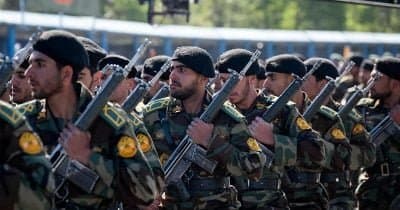
Iran’s recent declaration to resist any US ground invasion signals a sharp intensification in their ongoing conflict. The statement, broadcast by Iran’s state TV, emphasizes that Tehran is prepared to use all necessary resources to defend its territory should American forces attempt a ground incursion. This bold message not only reflects Iran’s hardened resolve but also reveals the increasingly strained diplomatic environment between the two nations.
Rising Tensions and Military Realities
The announcement follows a sequence of regional exchanges earlier this year that escalated hostilities. Iran’s commitment to a full military resistance complicates any attempts to dial back the confrontation. Such rhetoric suggests a diminishing window for peaceful diplomacy, especially regarding the possibility of a US-Iran deal anticipated in 2026. Market indicators corroborate this shift: the probabilities of a positive diplomatic settlement have declined noticeably, impacted by the ongoing conflict and Tehran’s intensified posture.
For investors and geopolitical analysts, this move intensifies risk factors tied to the Middle East. Heightened instability could further disrupt energy markets and heighten volatility in assets sensitive to geopolitical shocks. With key decision-makers such as former President Donald Trump and Iranian Foreign Minister Javad Zarif still influential in shaping discourse, unpredictable shifts remain possible but unlikely without major concessions.
Market Implications and Future Developments to Monitor
The firm stance adopted by Iran may trigger negative market reactions, as renewed uncertainty dampens optimism for reconstruction funding and any cooperative US-Iran initiatives. In turn, this reduces liquidity and investor confidence in related sectors and prediction markets tracking diplomatic outcomes.
Observers should monitor potential developments carefully:
- Further military escalations or retaliatory strikes could escalate tensions beyond current levels.
- Any diplomatic overtures or ceasefire proposals might alter the trajectory and restore some probability to a 2026 deal.
- Shifts in rhetoric from influential figures such as Trump or Zarif could signal openings or hardening positions.
This environment remains fluid, but Iran’s declaration clearly casts a shadow over any near-term resolution, underscoring the fragility of current geopolitical stability.
This material is for informational purposes only and does not constitute financial advice.