US Secretary of State Marco Rubio recently declared a shift from defensive maneuvers to active targeting of sites linked to attacks on merchant vessels in the Red Sea and Gulf of Aden. This marks a notable escalation in the maritime conflict involving US forces, Israel, and Iran-backed Houthi militants, highlighting a new phase where Washington is striking at the infrastructure enabling these assaults rather than merely protecting shipping lanes.
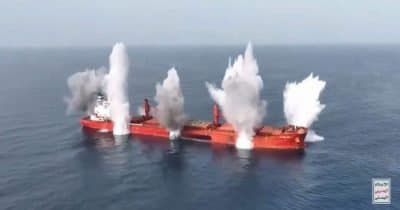
The move follows a series of Houthi attacks that sank two merchant ships within a week, intensifying concerns over the security of key maritime routes. The US strategy change reflects an intent to deter further aggression by disrupting operational capabilities rather than reacting post-attack. This approach risks provoking retaliatory responses from Iran and its proxies, potentially broadening military confrontations across the Gulf region.
Implications for Regional Stability and Markets
Rubio’s announcement signals an increased US military footprint at a time when tensions between Gulf states and Iran are already elevated. The Red Sea corridor, integral to global trade and energy shipments, becomes a flashpoint with direct consequences for commodity markets, insurance costs, and investor sentiment worldwide. Escalations here could reverberate through oil prices and heighten volatility in financial markets.
Market participants are watching closely for Iran’s reaction, which could manifest in asymmetric warfare tactics or intensified support for proxy groups. The trajectory of this conflict will also depend heavily on diplomatic engagements among Gulf Cooperation Council countries and international powers. The strategic Strait of Hormuz remains a critical variable; any disruption there would amplify risks to global supply chains and financial markets.
Such developments connect with broader themes explored in recent analyses like how rising US-Iran war costs reshape crypto and fiscal markets, underscoring the interplay between geopolitical conflict and market dynamics. Investors should consider the potential for heightened volatility and increased risk premiums in assets sensitive to Middle East stability.
This material is informational and not a financial recommendation.