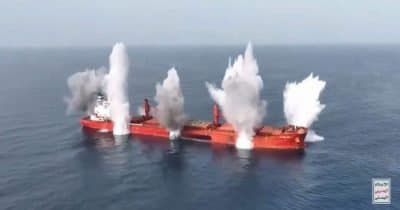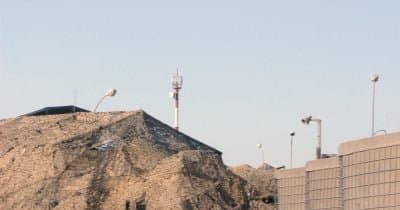
"This changes the risk calculus significantly," remarked a Gulf security analyst reacting to recently released Iranian satellite images showing damage at Kuwait's Ahmad al-Jaber Air Base. This facility, critical due to its hosting of both Kuwaiti and U.S. military forces, appears to have suffered a direct impact in what is now a widening Iran-U.S.-linked Gulf conflict. The satellite visuals suggest a breach in air defenses, marking a pronounced escalation in hostilities that challenges previous assumptions about the conflict's geographic containment.
The targeting of Ahmad al-Jaber Air Base represents a strategic shift: Iran is directly striking military infrastructure tied to U.S. presence in the region. This follows earlier Iranian attacks on assets within Kuwait, Bahrain, and Qatar but with new intensity and apparent effectiveness. The damage for now partially unverified signals a heightened risk of further military confrontations. Market reactions have already reflected this: prediction markets on July 22 show a 67% probability in favor of continued Iranian military action against Gulf states, a clear increase in risk pricing. Investors and analysts will closely monitor statements from Iranian leadership, U.S. Central Command, and Kuwaiti authorities as these will shape expectations regarding the extent of the damage and Iran’s broader military strategy.
What makes this development significant is not only the immediate tactical implications but its potential to reshape regional security dynamics and investor sentiment. Increased hostilities undermine any diplomatic efforts aimed at de-escalation and could disrupt energy markets and supply chains critical to the global economy. This event might also impact related geopolitical risk assessments, affecting currency flows and risk premiums in the Gulf and beyond. The coming days are key as stakeholders’ responses will either stabilize or amplify tensions, influencing market positioning and strategic calculations.
Given these developments, investors should watch for updates on military postures and any diplomatic moves that could mitigate conflict risk. This incident adds a layer of complexity to already volatile Gulf security conditions, underlining the intersection of geopolitics and market dynamics in real time. For a broader view on how escalating Gulf risks intersect with financial markets, see How US Strikes in Red Sea Signal Rising Gulf Security Risks.
This material is for informational purposes only and does not constitute financial advice.