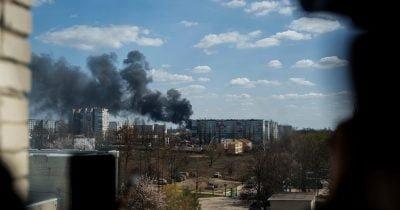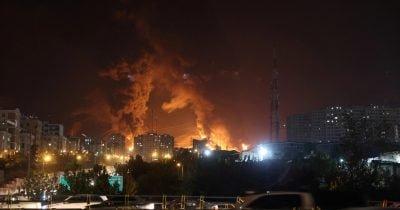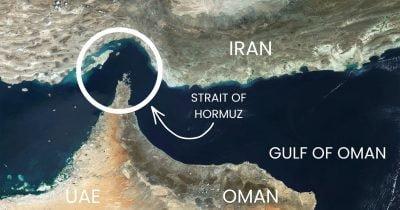
In a significant move amid the ongoing 2026 Strait of Hormuz crisis, Iran's Army has asserted its control over one of the world's most critical maritime chokepoints. This declaration emerges following heightened tensions caused by U.S. and Israeli military actions, emphasizing Iran's strategic objectives in the region.
Despite an existing memorandum aimed at de-escalating tensions, Iran has maintained its blockade of the Strait of Hormuz. This blockade not only defies international norms but also challenges the longstanding presence of U.S. naval forces in the area. Iran's announcement of a 'new legal regime' involving tolls and foreign vessel monitoring suggests a systematic approach to asserting its influence over maritime traffic.
Market Implications
The market response to these developments has been notable. Current pricing indicates a reduced probability 18.5% of normalized traffic through the strait by the end of August 2026. This assessment reflects the market's perception of the enduring blockade and Iran's military posturing. Additionally, a projected decrease of 15% in expected market movement indicates that investors are bracing for continued instability in critical shipping routes.
As August 31 approaches, investors and market participants are advised to keep a close eye on potential diplomatic engagements or announcements from Iran. Positive developments, such as a joint U.S.-Iran press conference or alterations in vessel tracking, could signal a shift toward normalization. Conversely, any reaffirmation of the blockade by Iranian leadership would likely affirm the market's cautious stance.
The stakes are high, as the Strait of Hormuz is vital for global oil shipments and trade. Prolonged disruptions could have cascading effects on oil prices and overall market stability, highlighting the importance of monitoring these geopolitical dynamics closely.
This material is for informational purposes only and does not constitute financial advice.