In a dramatic turn of events following the death of former Supreme Leader Ali Khamenei, Iran’s judiciary head, Azhai, has declared the nation’s intent to pursue and punish those involved in his assassination. This declaration emerges against a backdrop of escalating tensions between the U.S. and Israel, particularly following a joint airstrike that resulted in Khamenei's demise. The volatile geopolitical climate underscores the intricate relationship between internal leadership stability and external threats, as Iran seeks to consolidate its power in the face of adversity.
The recent appointment of Mojtaba Khamenei as the new Supreme Leader signals a clear intention by Iranian authorities to maintain continuity within their regime, potentially averting a power vacuum that could have destabilized the country. Azhai's statement highlights an unwavering commitment to the current leadership structure, which may serve to reinforce the new leader's legitimacy while discouraging any prospects for significant policy changes that could arise from a leadership transition.
Implications for Regional Geopolitics
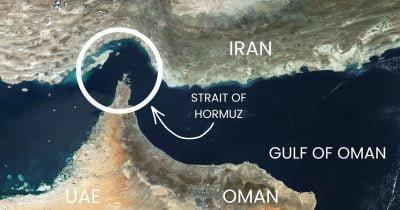
As the conflict continues to unfold, with renewed hostilities manifesting through Iranian strikes on commercial tankers and retaliatory U.S. airstrikes on Iranian sites, the question of Iran’s stance becomes increasingly pertinent. The potential for a legal escalation targeting U.S. and Israeli officials, as indicated by the judiciary's approach, may further complicate diplomatic relations. Such developments could signal a move towards a more aggressive Iranian foreign policy, which may include increased military posturing and retaliation against perceived threats. This dynamic could intensify the already precarious situation in the Middle East, affecting both regional stability and global markets.
Market Reactions and Future Considerations
Current market pricing suggests a decreased likelihood of a leadership change by the end of 2026, with a reported 78.6% probability that Mojtaba Khamenei will continue as head of state. This sentiment is essential for investors to consider, as fluctuations in geopolitical stability can lead to significant market shifts. For instance, any perceived instability in Iran's leadership could trigger investor panic, while consolidation of power under the current regime may produce more predictable outcomes.
Looking forward, observers should closely monitor the developments in the Iran-U.S.-Israel conflict, particularly any international diplomatic initiatives or military escalations that could influence Iran's political landscape. The role of the Assembly of Experts and public statements from Mojtaba Khamenei will be critical in shaping both domestic perceptions and international reactions. Ultimately, the evolving situation will likely impact market expectations regarding Iran's leadership stability and broader geopolitical risk management strategies.
This article is for informational purposes only and should not be considered financial advice.