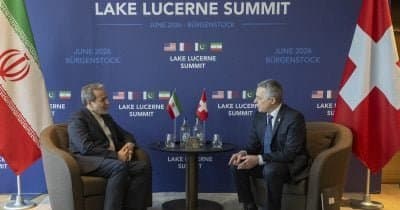
In a significant turn of events, Iran has announced it will not maintain its commitments under the Memorandum of Understanding (MOU) with the United States, primarily citing U.S. non-compliance as the catalyst for this decision. This declaration from Iran’s Foreign Ministry highlights a crucial aspect of international agreements: the necessity for mutual adherence to the terms outlined. This move is particularly pertinent amid ongoing negotiations facilitated by Qatar and Pakistan following the tentative ceasefire in the ongoing 2026 conflict, which has left markets anxious regarding the prospects of further escalation or withdrawal from diplomatic engagements.
The MOU's Context and Current Tensions
The MOU, signed on June 19, 2026, aimed to halt hostilities and pave the way for a comprehensive peace agreement following the tumultuous period of conflict. However, Iran's claims that the U.S. has introduced new sanctions contravening the agreement indicate a significant diplomatic breakdown. The current tensions not only threaten the fragile ceasefire established but also raise crucial questions about the future of U.S.-Iran relations and the potential for a more extensive conflict.
Market Reactions and Implications
Market analysts are closely monitoring these developments, as they could significantly influence geopolitical stability in the region. The predictive market reflects a growing concern over Iran’s potential withdrawal from MOU negotiations, with a current probability of 17.5% that this announcement will come by July 31, 2026. This figure has risen from 8% just a week prior, demonstrating an increasing perception of instability. Such fluctuations in market sentiment not only underscore the precariousness of international diplomacy but also serve as a barometer for investors and stakeholders keen on understanding the broader implications of U.S.-Iran relations.
As the situation evolves, any public statements from figures such as Iranian Foreign Minister Abbas Araghchi or reactions from U.S. President Donald Trump will be pivotal. Furthermore, developments in critical areas such as the Strait of Hormuz could substantially influence market perceptions, especially given its strategic importance for global oil supply. The current geopolitical landscape remains fraught with tension, making it essential for investors to stay vigilant.
This material is for informational purposes only and does not constitute financial advice.