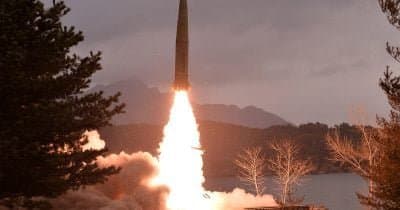
On July 19, 2026, Iran launched another volley of missiles from Lorestan province targeting what state media called 'enemy targets'. This marks a continued escalation in a conflict that has been unfolding since late February.
The strikes originated near the Imam Ali Missile Base, a critical hub for Iran’s Shahab-3 ballistic missiles, which can reach targets 800 to 1,300 kilometers away. This capability puts multiple regional capitals and military sites within reach, intensifying geopolitical risks.
Surprisingly, crypto markets barely reacted. There were no sharp sell-offs, no surge into stablecoins, nor a notable spike in Bitcoin as a safe haven. This muted response contrasts with past geopolitical shocks where crypto displayed heightened volatility, such as during the US assassination of Qasem Soleimani in 2020.
Since the war’s onset on February 28, triggered by the US-Israeli Operation Epic Fury, which led to the death of Iran’s Supreme Leader Ayatollah Ali Khamenei, the conflict has seen missile exchanges and proxy engagements via Hezbollah escalate steadily. Yet, crypto assets have been driven primarily by internal factors: protocol upgrades, regulatory changes, and liquidity dynamics rather than frontline developments.
However, this calm may be deceptive. A significant disruption to oil shipments through the Persian Gulf, especially the Strait of Hormuz where about 20% of global oil passes, could cascade across asset classes including cryptocurrencies. Traditional markets have already adjusted to elevated oil prices and rising defense stocks, while gold has attracted safe-haven inflows.
Crypto’s historic responses to acute geopolitical crises have been complex and context-dependent. The current inertia could shift quickly if the conflict threatens energy flows or regional stability at a larger scale. Investors should watch for developments impacting the Strait of Hormuz, as these would likely trigger a market repricing of inflation expectations globally with ripple effects in crypto.
For more on the evolving regional risks, see our analysis on how rising Iraqi threats intensify Middle East stability concerns. The 2026 Iran conflict may appear contained but its ripple effects are poised to redefine risk perceptions across markets.
This material is for informational purposes and does not constitute financial advice.