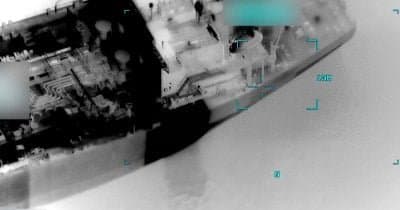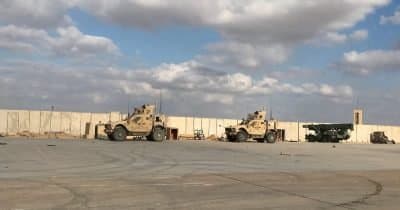
More than 600 attacks by Iran-backed militias on US military installations in Iraq since February 2026 illustrate a pattern not just of isolated incidents but of sustained pressure. This persistent aggression comes amid active US and Israeli airstrikes on Iranian soil and Iran's retaliatory strikes on regional targets, creating a feedback loop of escalation with serious implications.
Escalation Dynamics and Regional Security
The Islamic Resistance in Iraq’s explicit warning to target US bases if Washington increases assaults on Iran signals a critical juncture. This stance introduces a new dimension of threat directly to US assets within Iraq, raising questions about the robustness of current US military presence and defense posture. The move also complicates efforts to de-escalate Iran-US tensions, as proxy actors in Iraq effectively expand the battlefield beyond direct Iran-US engagements.
Such escalation can destabilize the broader Middle East region by inviting reciprocal responses, impeding diplomatic negotiations, and increasing the risk of unintended confrontations. The militias’ ability and willingness to strike US interests reflect Iran's strategic calculation to use proxies as buffers and pressure points without direct confrontation.
Market and Diplomatic Consequences
The evolving military situation casts doubt on the feasibility of a US-Iran deal anticipated in 2026. Market indicators are already adjusting: the probability pricing for such a diplomatic breakthrough has declined reflecting growing skepticism among investors and analysts. This revision in expectations is tied closely to on-the-ground military escalations undermining trust and signaling increased geopolitical risk.
Key diplomatic players, including US President Donald Trump and Iranian Foreign Minister Javad Zarif, remain key in determining whether tensions spiral further or if dialogue can resume. Any sudden events whether additional strikes or peace overtures will likely trigger swift market reactions, underscoring the sensitivity of investors to regional security developments.
Understanding these market shifts is key for navigating potential volatility. For instance, the ongoing conflict’s impact on energy prices, already significant, may intertwine with broader economic consequences, including for crypto markets, as seen in analyses of how rising oil prices compound risks for crypto amid Iran conflict.
This material is informational and does not constitute financial advice.