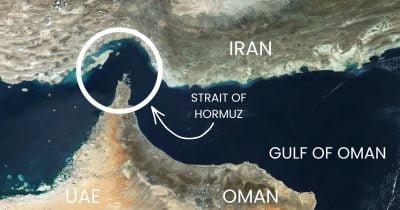
The recent declaration by Iran asserting control over the Strait of Hormuz is a significant development with far-reaching implications for global trade and energy markets. An Iranian lawmaker's assertion that the country will maintain its grip on this strategic waterway comes amid escalating tensions involving the U.S. and Israel, heightening concerns over a potential long-term blockade.
This situation is emblematic of the ongoing conflict in the region, where Iran's actions serve as a warning to international maritime operations, particularly those of the United States. The Strait of Hormuz is a crucial passage for oil transportation, with approximately 20% of the world's oil passing through this narrow channel. Therefore, any disruption could lead to sharp increases in global oil prices, impacting economies that rely heavily on stable energy supplies.
Market Reactions and Expectations
Market analysts are closely monitoring the situation, as recent indicators show declining expectations for normalized traffic through the strait. The pricing of YES options has fallen to 18.5%, reflecting a growing pessimism regarding the resumption of free passage by the end of August. This suggests that investors are increasingly wary of the potential ramifications of a prolonged blockade, which could further strain already fragile energy markets.
The geopolitical climate surrounding the Strait of Hormuz is characterized by unpredictability. Observers are advised to keep an eye on official communications from both Iranian and U.S. officials, as these announcements could either signal new military escalations or potential diplomatic resolutions. The complex interplay between military posturing and diplomatic negotiations will be crucial in determining the future of this pivotal shipping route.
Long-term Implications for Energy Security
As the situation unfolds, the implications for global energy security are profound. A sustained blockade could trigger a reevaluation of energy supply chains and force countries to seek alternative routes or sources of oil. This realignment may not only impact oil prices but could also accelerate the transition toward alternative energy sources, as nations attempt to mitigate the risks associated with reliance on a volatile region.
The repercussions extend beyond just oil markets; disruptions in shipping through the Strait of Hormuz could influence trade dynamics and economic relations across multiple sectors. The interconnectedness of global markets means that developments in this region will reverberate far beyond its geographic confines, potentially reshaping alliances and economic strategies in the long term.
This material is informational and does not constitute financial advice.