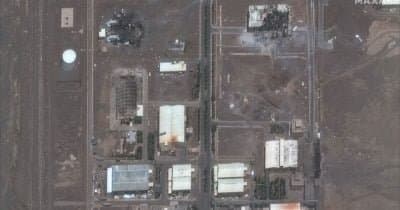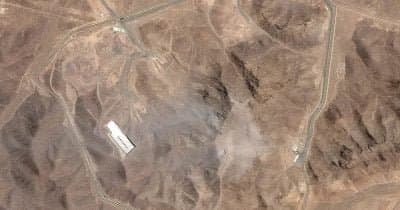
The geopolitical landscape surrounding the US-Iran nuclear negotiations has taken another tense turn with Iran's Foreign Ministry publicly accusing the United States of breaching agreements. This accusation emerges amidst ongoing discussions aimed at formulating a new nuclear framework, following the expiration of the previous deal in October 2025. The backdrop of these negotiations is marked by increased military activity, particularly the recent US and Israeli strikes on Iranian nuclear facilities, which undoubtedly complicate the already fragile diplomatic atmosphere.
Iran's statement reflects a significant escalation in hostilities and raises questions about the feasibility of reaching a consensus. The diplomatic chess match is further underscored by a preliminary 60-day ceasefire memorandum intended to de-escalate tensions, yet the contentious issue of Iran's nuclear program looms large. Under such circumstances, the prospect of a successful negotiation seems increasingly uncertain, as market indicators are already signaling a decline in the likelihood of a final agreement by August 13, 2026.
As both nations navigate this intricate web of accusations and military operations, the potential for a diplomatic resolution appears dim. Key figures such as Abbas Araghchi and Ayatollah Ali Khamenei hold significant sway over the direction of talks, and their public statements could either illuminate the path towards an agreement or deepen existing divisions. An official framework announcement would signal a potential thaw in relations, while continued military actions would likely exacerbate skepticism regarding diplomatic solutions.
Investors and geopolitical analysts should closely monitor these developments, as fluctuations in market pricing could reflect changing perceptions around the viability of the negotiations. The stakes are substantial, not just for Iran and the US, but also for regional stability and global markets that are sensitive to shifts in Iranian policy and military strategy. Furthermore, as indicated in related analyses, escalating tensions could have broader implications on European markets, which remain intertwined with these diplomatic efforts.
This article is for informational purposes only and should not be construed as financial advice.