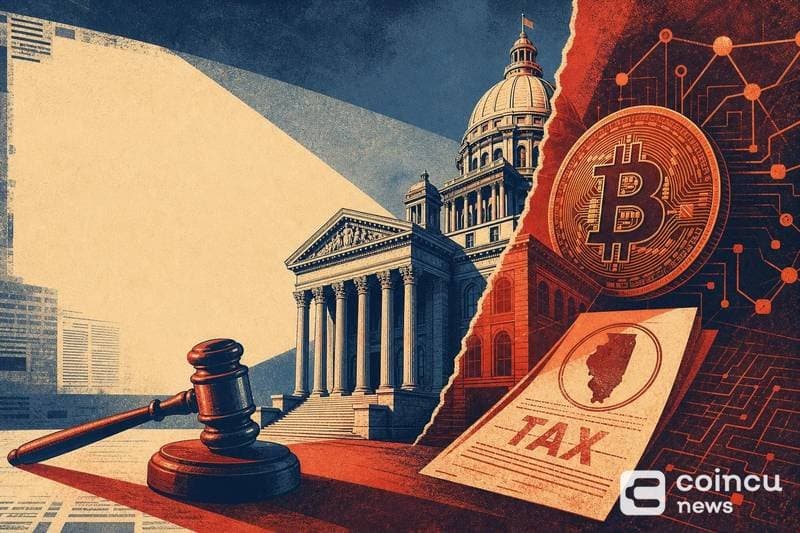
The Digital Chamber has initiated legal action against Illinois to halt a newly enacted crypto transaction tax before it becomes operational. This lawsuit directly challenges the state’s Senate Bill 3019, which imposes a levy on cryptocurrency trades and transfers within Illinois.
The Legal Challenge and Its Immediate Context
The Digital Chamber, representing crypto industry interests, is proactively seeking an injunction to prevent Illinois from implementing the transaction tax. Unlike taxes on holdings, this levy targets the movement of digital assets, potentially affecting every crypto transaction conducted in the state. The group’s public statements emphasize preventing the enforcement of this measure ahead of its scheduled activation, anticipated before 2027.
This legal confrontation shows a growing friction between state governments aiming to generate revenue from the expanding crypto market and industry groups concerned about regulatory overreach that could stifle innovation and user adoption. The lawsuit also highlights the ambiguity around how such taxes will be practically enforced, given the decentralized nature of digital assets.
Market and Regulatory Implications for Investors and Crypto Enterprises
If Illinois successfully enforces this tax, it could become a precedent for other states considering similar measures. Crypto traders, investors, and businesses operating in Illinois might face increased costs and compliance burdens, potentially driving activity to more crypto-friendly jurisdictions. This scenario introduces fragmentation risks within the US market, complicating operational strategies for platforms and users alike.
The timing of the lawsuit is critical. By seeking to block the tax before its enforcement, The Digital Chamber aims to prevent market disruption and maintain a more predictable regulatory environment. However, the outcome could also influence ongoing federal discussions around crypto taxation and regulation, as seen in recent debates in Congress over DeFi provisions and digital asset ethics.
The evolving situation parallels other regulatory moves and enforcement actions, including significant federal seizures of crypto assets tied to fraud networks. Such developments signal increasing government scrutiny of the sector, raising the stakes for how states and the industry negotiate the balance between regulation and growth.
This article is for informational purposes only and does not constitute financial advice.