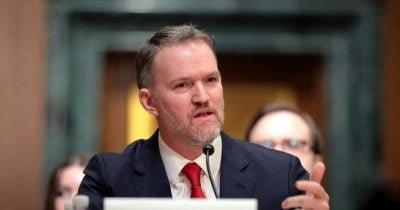
The recent statements made by Jamieson Greer, the US Trade Representative, have introduced a significant element of uncertainty into the current trade landscape, particularly regarding the future of the 10% baseline tariffs. His admission that he is unsure if these tariffs will be replaced on a one-for-one basis calls into question the administration's strategy as it heads towards a potentially transformative phase in trade policy.
Understanding the Implications of Tariff Continuity
This uncertainty is vital for investors and policymakers alike as it threatens to destabilize the already fragile trade architecture established in previous years. Greer's remarks have heightened the focus on a critical aspect of trade law the Trade Act of 1974. The vague language of this decades-old statute doesn't provide clear guidance on whether the baseline tariffs can be re-imposed once they expire in July 2026. This ambiguity could lead to significant consequences
- USTR’s proposed alternative duties of 10% to 12.5% are tied to forced labor investigations.
- The potential risk of certain imports reverting to duty-free status without a replacement mechanism could destabilize market pricing.
- Current tariffs on Chinese goods vary from 7.5% to 100%, in addition to Section 232 tariffs ranging from 10% to 50% on strategic materials.
Greer has made it clear that avoiding a return to zero-tariff baselines is paramount. Such an event could not only affect market dynamics but possibly undermine the stability achieved through previous tariff structures. The administration is actively exploring new duties related to enforcement against forced labor, which represents an attempt to navigate legal challenges that have emerged over time and to find a solid foundation for future trade policies.
Future Directions and Considerations
As July 2026 approaches, stakeholders will need to closely monitor the administration’s decisions regarding tariff replacements. The effectiveness of proposed duties tied to forced labor prevention, along with public and market reactions, will be pivotal in shaping a sustainable trade policy. Investors, in particular, should remain vigilant about changes in the regulatory environment that could create further risks or opportunities.
This content is for informational purposes only and does not constitute financial advice.