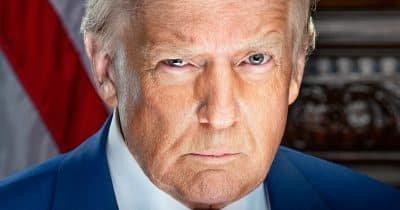
The recent decision by FIFA to suspend the automatic one-match ban for US striker Folarin Balogun due to a call from President Trump raises significant questions about governance in international football. Such unprecedented actions can have far-reaching implications that extend beyond the pitch, impacting the integrity of global sporting bodies.
Context Behind the Decision
FIFA’s reversal of a World Cup red card suspension, a practice that had remained unchanged for over 60 years, highlights the increasing intermingling of sports and politics. After Balogun received a straight red card during the match against Bosnia-Herzegovina, it was presumed he would automatically serve a one-match suspension as per FIFA’s disciplinary code. However, following Trump's intervention, FIFA announced the suspension would be lifted for a probationary year, allowing him to participate in the Round of 16.
Reactions from UEFA and the Broader Implications
UEFA has publicly condemned this decision, stating that FIFA has "crossed a red line" concerning fair play and governance standards. Their use of the term "uncomprehensible" speaks to a deeper frustration within the European football community regarding the integrity of governing processes. When outside influence, especially from a sitting president, can alter such a fundamental rule, it sets a dangerous precedent.
Every national federation is likely reevaluating what this means for their own governance structures. If the United States can leverage its position as co-host of the World Cup to gain preferential treatment, it raises the question: who will be next? The potential for a slippery slope regarding interventions from powerful figures in the sports realm must be critically assessed.
The Infantino-Trump Connection
This incident is further complicated by the known relationship between FIFA President Gianni Infantino and Trump. Critics have long suggested that this connection could lead to conflicts of interest, particularly with the spotlight firmly on the 2026 World Cup being co-hosted by the US, Mexico, and Canada. Football governance relies on transparency and fairness, and the integrity of officiating procedures is paramount to maintaining trust in the sport.
While FIFA has established protocols to handle refereeing errors, the involvement of a head of state is unprecedented and potentially undermines the foundation of these regulations. The ramifications of this call create a broader discussion about the ethics of sports management and governance as the industry grapples with maintaining integrity amid external pressures.