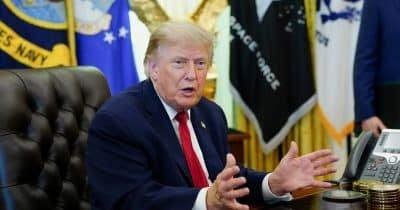
In an unprecedented act of political intervention, former President Trump successfully influenced a ruling by FIFA, resulting in the lifting of Folarin Balogun's one-match suspension just hours before a crucial World Cup match. This event raises significant questions regarding the extent of political power in global sports and its implications for the integrity of sporting events.
The Incident That Sparked Controversy
The controversy began on July 1, when Balogun received a red card from Brazilian referee Raphael Claus during a match against Bosnia and Herzegovina, a decision that many viewed as questionable given the lack of an initial foul call. This sudden ejection followed a Video Assistant Referee review that surprised players and coaches alike.
Political Influence on Sports Governance
Trump's direct communication with FIFA President Gianni Infantino culminated in the reversal of Balogun's suspension, which creates a troubling precedent. Trump's assertion that the referee's credibility was dubious due to past allegations of match-fixing reflects a politicization of refereeing decisions in high-stakes tournaments. This incident underlines parallels to the ongoing discussion regarding the intersection of politics and sports governance.
Implications for Sports Betting Markets
The repercussions of this episode are particularly poignant for the burgeoning sector of sports betting, including crypto-centric platforms like Polymarket and Azuro. These platforms operate under the assumption that sporting decisions are final and immune to external political pressures. The unexpected reversal of a disciplinary decision fundamentally alters the conditions under which bets were placed, undermining the trust and reliability that underpin these markets. Imagine individuals who wagered on the outcome of the match believing Balogun would be suspended; they are now faced with a situation where the rules have seemingly shifted.
The Broader Picture
The incident also calls into question FIFA’s institutional independence. As the co-host of the 2026 World Cup, the US holds significant leverage over FIFA, complicating the organization’s efforts to maintain impartiality amid external pressures. This scenario not only highlights concerns regarding governance but also provokes broader implications for international sports organizations aiming to ensure fair play.