The recent decision by FIFA's Disciplinary Committee to suspend the red card penalty against US striker Folarin Balogun has once again thrown the organization into the spotlight, revealing significant tensions within its governance structure and potential implications for its cryptocurrency initiatives.
The suspension of Balogun's automatic one-match ban, following a controversial call made during the World Cup, has led to discontent among competing teams and organizations, notably UEFA and the Royal Belgian Football Association. This decision not only raises questions about the integrity of the competition but also highlights FIFA's precarious position as it forges ahead with its blockchain and NFT ambitions.
Implications for Governance and Reputation
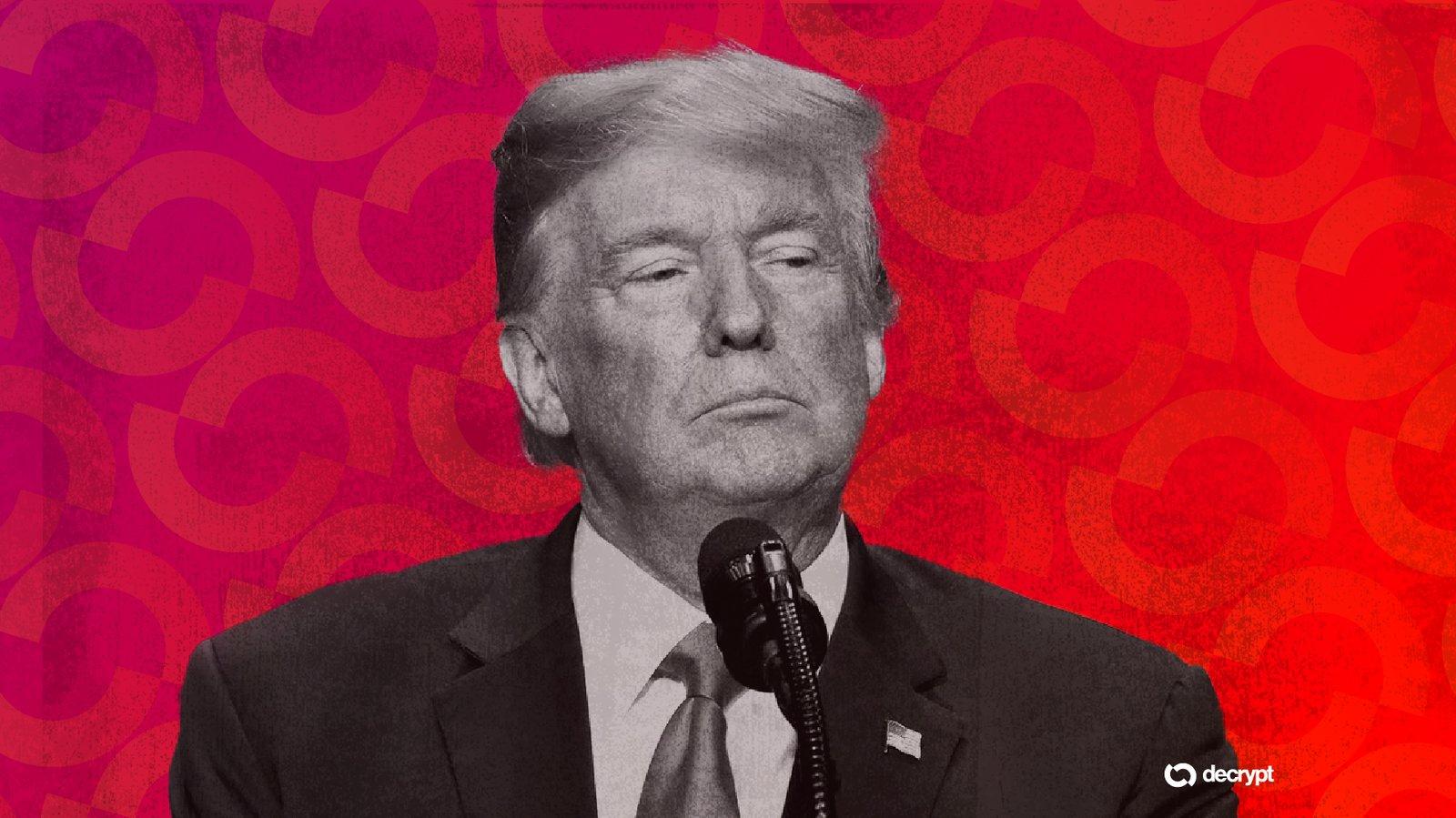
FIFA has historically grappled with governance criticisms, largely due to ongoing scandals and corruption allegations. The recent intervention purportedly by former President Donald Trump, who personally called FIFA President Gianni Infantino to seek a favorable review of the Balogun incident, complicates matters further. While FIFA has not confirmed the extent of this influence, the mere perception of political interference can tarnish the organization's credibility.
As FIFA strives to establish a foothold in the crypto landscape through initiatives like FIFA Collect the organization's digital collectible platform this ruling could have far-reaching consequences. Corporate partners and stakeholders, who typically engage in risk assessments regarding reputational exposure, may reconsider their associations if FIFA's governance questions persist. The already besmirched reputation of FIFA could deter potential collaborations within the booming NFT market.
Market Reactions and Future Watchpoints
Investors and stakeholders in FIFA-related digital assets should closely monitor UEFA's response to this ruling. A formal appeal could instigate broader scrutiny, attracting regulatory attention to FIFA's operations and its commercial partnerships. Given that the 2026 World Cup is designed as a major marketing event set to capitalize on an American audience, any narrative of political meddling in match officiating threatens the organization's carefully curated commercial strategy.
Moreover, platforms linked to FIFA and its NFT initiatives may face significant reputational risk, especially when compared to decentralized protocols. Centralized entities are inherently more vulnerable to shifts in public perception, creating potential volatility for their associated crypto markets. As FIFA moves forward, the integrity of its governance will be critical in maintaining confidence among partners and investors in the nascent blockchain economy.
This article is for informational purposes only and does not constitute financial advice.