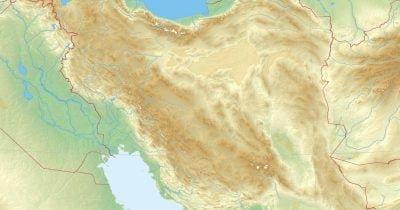
The Iranian economy is currently facing an uphill battle in its recovery efforts following the war, which inflicted an estimated $144 $270 billion in damages. The conflict, driven by military actions from the U.S. and Israel earlier this year, has left the nation grappling with multiple economic and diplomatic challenges. As a result, the international community is increasingly concerned about the implications of these factors for the potential U.S.-Iran nuclear deal, pivotal for both economies involved.
Why This Situation Matters for Investors
The current state of the Iranian economy and its interactions with the U.S. are crucial not just for those directly involved, but for the global market as well. The prospects of a nuclear deal once viewed as a pathway to loosen sanctions and restore Iran's oil exports are now dimming. This trend manifests in the following key metrics:
- Current market pricing indicates a mere 2.6% chance of a U.S.-Iran nuclear deal by August 13, 2026.
- Overall market confidence regarding the nuclear negotiations has decreased significantly, with probabilities falling for major upcoming deadlines.
- Economic sanctions and reduced oil exports due to military tensions are complicating Iran's recovery efforts, further dampening expectations.
These figures demonstrate a downward trend in investor sentiment, which may lead to a more extensive market reevaluation of risks associated with Iranian investments.
Future Developments to Monitor
As diplomatic efforts continue, several key areas warrant attention:
- Statements from Iranian and U.S. officials will be pivotal in shaping market perceptions surrounding the nuclear deal.
- Any shifts in international negotiations or economic policies could significantly alter the current landscape.
- Developments regarding the potential unfreezing of assets and sanctions relief are critical for gauging the market's outlook on Iran.
Keeping an eye on these elements will be crucial for investors seeking clarity on the broader implications of the Iranian situation, especially in the context of the ongoing geopolitical tensions surrounding the region.
This material is for informational purposes only and is not financial advice.