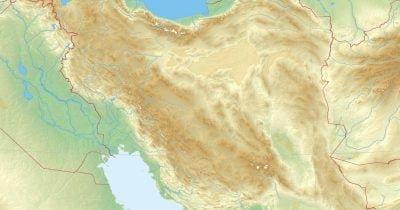
Recent surges in hostilities in the Middle East have heralded troubling signs for Gulf markets, prompting a notable downturn in several stock indices across the region. This decline, primarily observed within the Gulf Cooperation Council (GCC) markets including the Dubai Index and the Saudi Tadawul, reflects growing uncertainty surrounding geopolitical stability and its immediate effects on oil supply.
Implications of Escalating Geopolitical Tensions
The increasingly volatile situation involving major players such as the US, Israel, and Iran has consequentially disrupted the flow of oil from one of the world’s most critical maritime corridors, the Strait of Hormuz. With the price of Brent crude now surpassing $100 per barrel, market analysts are predicting that this tension could send oil prices to unprecedented levels before the close of the year.
- Brent crude prices have recently crossed the $100 mark.
- Probability of oil reaching an all-time high by September 30 is projected at 5.1%.
- By December 31, market predictions indicate a 10.5% chance for further price increases.
This market sentiment is clearly influenced by fears of ongoing disruptions, highlighting how geopolitical instability can catalyze price surges in crude oil.
Market Reactions and Future Considerations
As the situation unfolds, investors are closely monitoring decisions made by OPEC and the International Energy Agency (IEA), as their actions will significantly impact oil supply dynamics. Furthermore, the current trajectory of oil prices is likely to amplify inflationary pressures, affecting global economic outlooks and investment strategies. Market participants should remain vigilant regarding updates from these institutions, along with broader economic indicators, which could further shape market behaviors.
What Lies Ahead?
Going forward, it is crucial to keep an eye on potential developments in the Middle East, including any escalations or resolutions to the existing conflicts that could influence oil supply routes. The reactions from OPEC and other energy stakeholders will be essential in guiding market forecasts. Additionally, as oil prices rise, global economic markers for inflation may provide further clarity on the impact of these rising costs on economic stability.
This material is for informational purposes only and should not be considered financial advice.