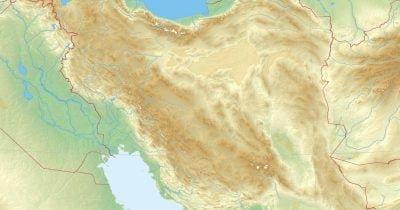
The recent U.S. military strikes on Iran's southern coast have provoked significant geopolitical repercussions, particularly in terms of bilateral relations and market reactions. The strikes, carried out in response to Iranian drone attacks on commercial vessels in the strategically crucial Strait of Hormuz, have officially terminated the Memorandum of Understanding (MOU) signed on June 17, 2026, aimed at suspending hostilities between the two nations. This escalation poses critical ramifications for the stability of the Middle East, international shipping, and global oil prices.
Why This Matters for Global Markets
The implications of these developments stretch far beyond mere military engagement. The rise in market pricing reflects a growing apprehension toward the potential for Iran to enact a full closure of its airspace. In just 24 hours, estimates of such an eventuality surged significantly:
- Probability of airspace closure increased from 8% to 16.5%.
- Heightened uncertainty has reignited fears of active conflict, influencing market participants and traders.
- This situation could catalyze volatility across commodities, particularly oil, highlighting the fragility of the existing geopolitical landscape.
The Iranian foreign ministry's accusations against the U.S. for violating the MOU further complicate diplomatic efforts. As tensions escalate, the likelihood of retaliatory measures from Iran increases, affecting not only regional security but also investor confidence.
Potential for Increased Conflict and Its Market Impact
As market participants assess these developments, there is a consensus that further military actions may materialize. Observers are particularly focused on key organizations such as the Civil Aviation Organization of Iran, which could signal any airspace restrictions. An official NOTAM or broadcast confirming a closure would likely lead to further turmoil in international markets, while announcements indicating a return to normalcy could provide some reassurance.
The U.S.'s response remains a critical variable in shaping the trajectory of this crisis. Any military interventions could heighten concerns about stability, while diplomatic overtures may offer a path toward de-escalation.
What to Monitor Going Forward
Key factors to watch include:
- Statements from Iranian officials and media regarding airspace operations.
- U.S. military and diplomatic responses to Iran’s actions.
- Market reactions to fluctuations in oil prices and shipping routes.
Additionally, the interplay between these developments and broader market conditions will be crucial in determining the outlook for investors in both commodities and equities.
This material is for informational purposes only and does not constitute financial advice.