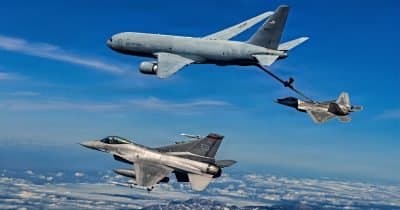
One hundred aerial refueling tankers have been sent by the US to Israel, signaling a major escalation in military operations linked to the Iran conflict. This deployment reflects a shift in strategy following the collapse of a ceasefire and an uptick in Iranian strikes, particularly in the Strait of Hormuz. It suggests that the US is preparing for sustained air campaigns that require increased in-flight refueling capacity to maintain longer sorties.
Such a significant logistical move points to expectations of intensified airstrikes aimed at Iran's nuclear infrastructure. The timing coincides with a broader deterioration in diplomatic relations, where the prospects for a US-Iran deal in 2026, especially one involving reconstruction funding, appear to be diminishing sharply.
Markets have responded accordingly, pricing in lower confidence in diplomatic solutions as military preparations accelerate. This marks an important moment for investors and analysts watching geopolitical risk factors that influence energy prices and global stability.
Observers should stay attuned to further US and Israeli military deployments or statements from President Trump and Iranian officials, which could offer clues about future escalation or attempts at negotiation. also reports on uranium enrichment levels and mediation efforts may sway market expectations about any potential resolution.
This development adds complexity to the geopolitical landscape, reinforcing the intersection of military strategy and economic forecasting in volatile regions.
This material is informational and not financial advice.