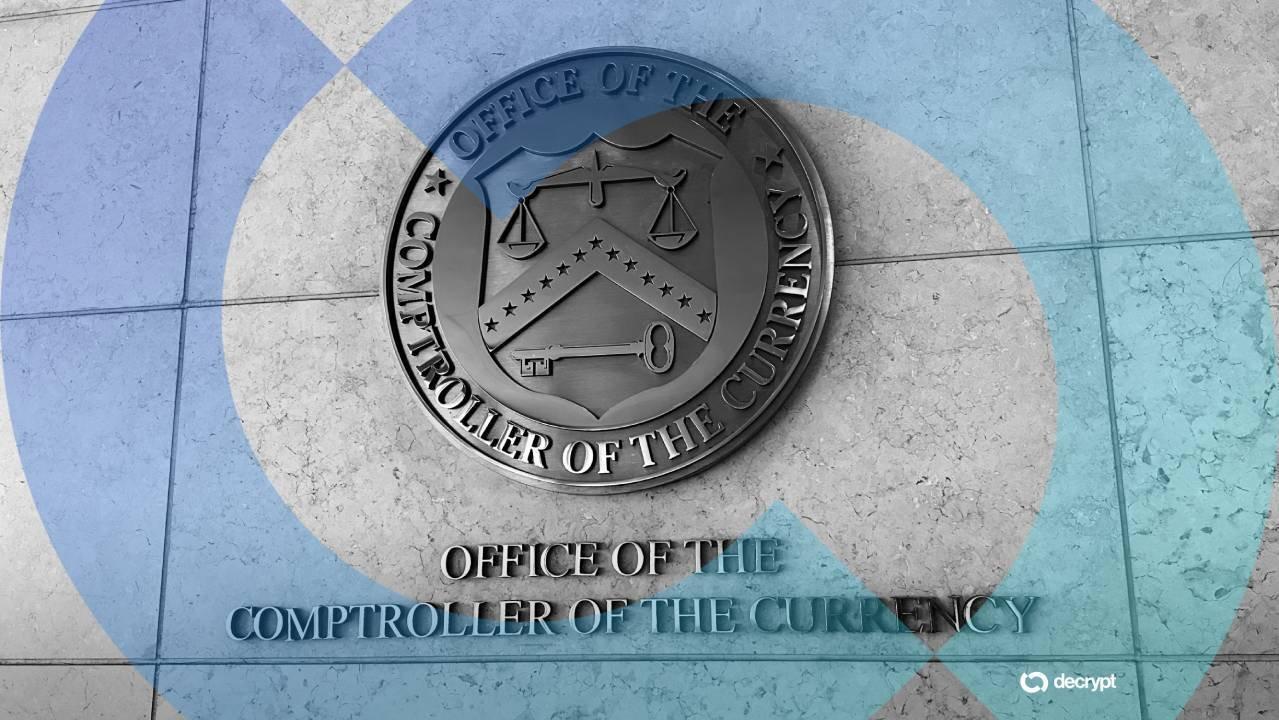
Circle has recently achieved a significant milestone in its journey toward integration with the traditional financial system by receiving final approval from the Office of the Comptroller of the Currency (OCC) for its national trust bank, now named First National Digital Currency Bank, N.A. This pivotal moment signifies not just regulatory compliance, but also a potential transformative effect on how digital assets, particularly stablecoins like USDC, are managed within the United States.
With this approval, Circle will be operating under federal oversight for the first time, presenting an important structural upgrade compared to its previous state-level licenses. This shift is critical because it not only enhances Circle's credibility as a financial entity but also indicates a potential pathway for other cryptocurrency firms aiming for similar recognition in the traditional financial system. Circle's co-founder Jeremy Allaire aptly stated that this approval marks a significant step toward integrating blockchain technology and digital assets into the core of the U.S. financial framework.
As it stands, Circle National Trust will focus primarily on providing fiduciary digital asset custody for Circle and its affiliates at the outset, with plans to expand its services to institutional clients in the future. Notably, the bank will not initially manage the USDC Reserve, which remains deferred until a later phase. This limitation demonstrates a cautious approach to expanding its service offerings, balancing ambition with regulatory compliance. The OCC charter specifically prohibits cash deposits and loans, which positions Circle firmly within a niche that seeks to prioritize asset custody over traditional banking functions.
The stock market response has been telling, with Circle’s shares rising 10% following the announcement, albeit after a tumultuous year where the stock had previously fallen by over 20%. The market perception of Circle's robust regulatory framework appears to catalyze investor confidence as they navigate the evolving landscape of crypto regulation.
Moreover, Circle is now amidst an elite group of crypto firms that have successfully navigated the OCC’s rigorous trust charter process. This could set a meaningful precedent for future regulatory developments, paving the way for a more defined regulatory environment as the industry matures. As companies like Circle seek to bridge the gap between digital assets and traditional finance, the implications for investors and the broader market could be profound.
This material is informational and should not be considered financial advice.