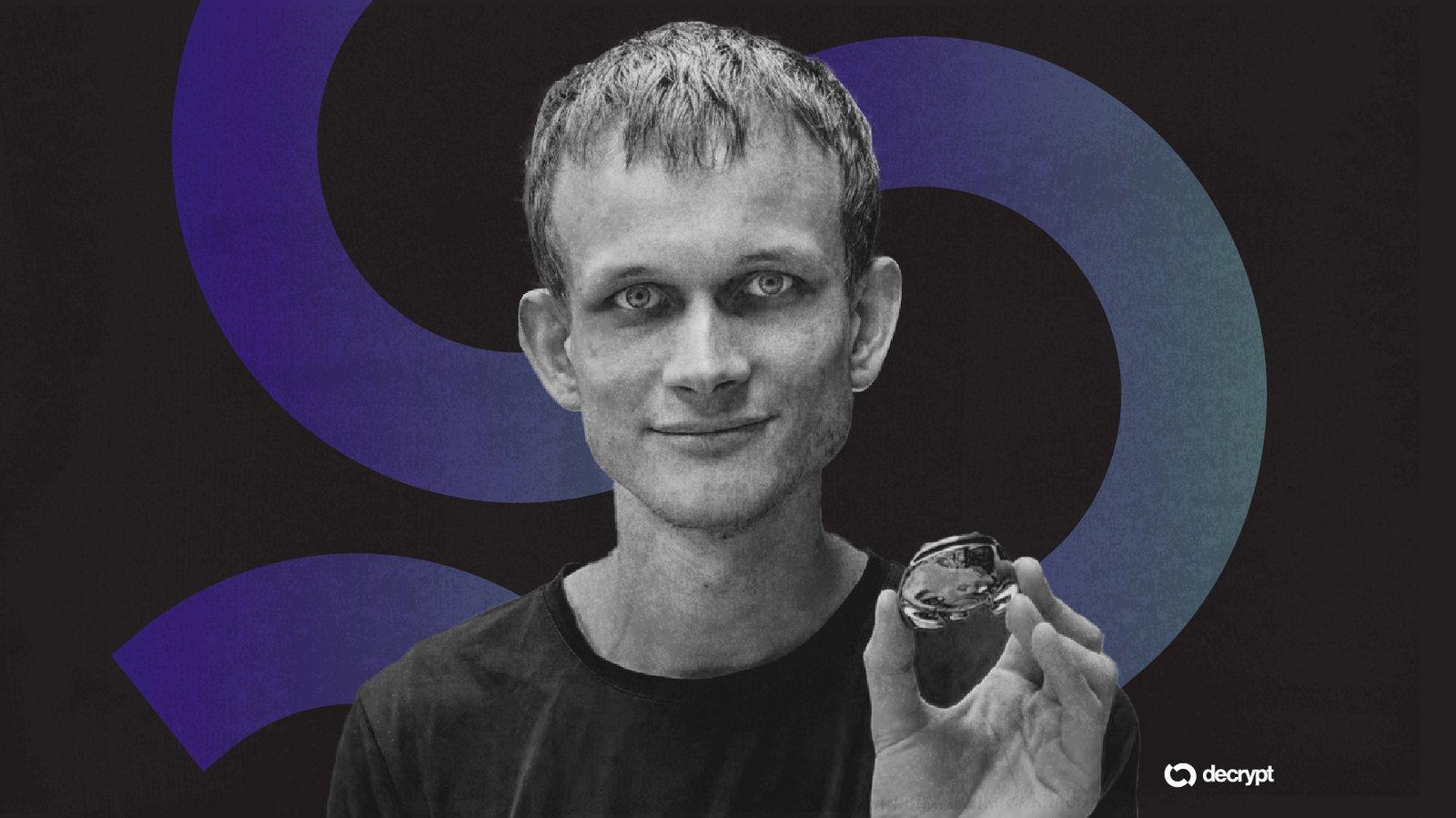
Vitalik Buterin, co-founder of Ethereum, has recently outlined a vision for the network’s forthcoming major upgrade, dubbed "Lean Ethereum." This extensive overhaul is expected to take three to four years and aims to be as significant as the Merge, Ethereum’s transformative shift to a proof-of-stake consensus. Such ambitious timelines and objectives signal crucial developments for both Ethereum and the broader cryptocurrency market.
The Scope of Lean Ethereum
Buterin articulated that Lean Ethereum represents a profound overhaul, impacting every core layer of the network. It will address essential components such as transaction verification, storage solutions, and cryptographic measures against future quantum threats. More importantly, Lean Ethereum is expected to revolutionize transaction finality and data management, which are critical aspects for network efficiency.
Central to this transformation is a dramatic redesign of Ethereum's storage system, which Buterin described as “probably the single most disruptive part of the plan.” Currently, Ethereum’s method of storing state data is costly and inefficient. The proposed solution will incorporate a dual-tier storage system, enabling a more affordable option specifically for simpler tokens and NFTs. This migration could dramatically decrease transaction fees by an estimated tenfold, which will likely enhance user adoption and interaction on the network.
Prioritizing Security and Privacy
In addition to storage improvements, Buterin highlighted a growing emphasis on quantum resistance and privacy measures. As the threat of quantum computing looms, integrating quantum-safe designs has become a priority, ensuring Ethereum’s long-term viability. This focus on privacy, which is being elevated from an afterthought to a core goal, reflects broader market trends where user data protection is increasingly critical. These developments could position Ethereum ahead of competitors that may not prioritize such advancements.
Market Implications and Reactions
Buterin's insights have ignited conversations within the community, including some skepticism regarding the three-to-four-year timeline. Ethereum Foundation researcher Dankrad Feist commented on the potential for AI-assisted development to shrink this duration significantly, suggesting that more agile methodologies could expedite progress. The foundation’s recent budget cuts and staffing adjustments further underscore the urgency and recalibration within the organization, indicating a strategic pivot towards sustainability amid a downtrending crypto market.
Currently, Ether is trading at $1,765, marking a decline of over 40% year-to-date. This slump, combined with rising concerns about Ethereum's tokenomics, emphasizes the need for a successful and timely execution of Lean Ethereum. Investors and stakeholders will be closely monitoring these developments, as they could shape Ethereum’s market position in the coming years, potentially redefining user engagement and investment strategies in the broader landscape.