On July 4, 2026, Vitalik Buterin, co-founder of Ethereum, unveiled a blueprint poised to significantly reshape the Ethereum ecosystem: the 'Lean Ethereum' roadmap. This ambitious plan aims to address a wide array of core protocol components over the next three to four years, marking the third major evolution of Ethereum since its transition to proof-of-stake.
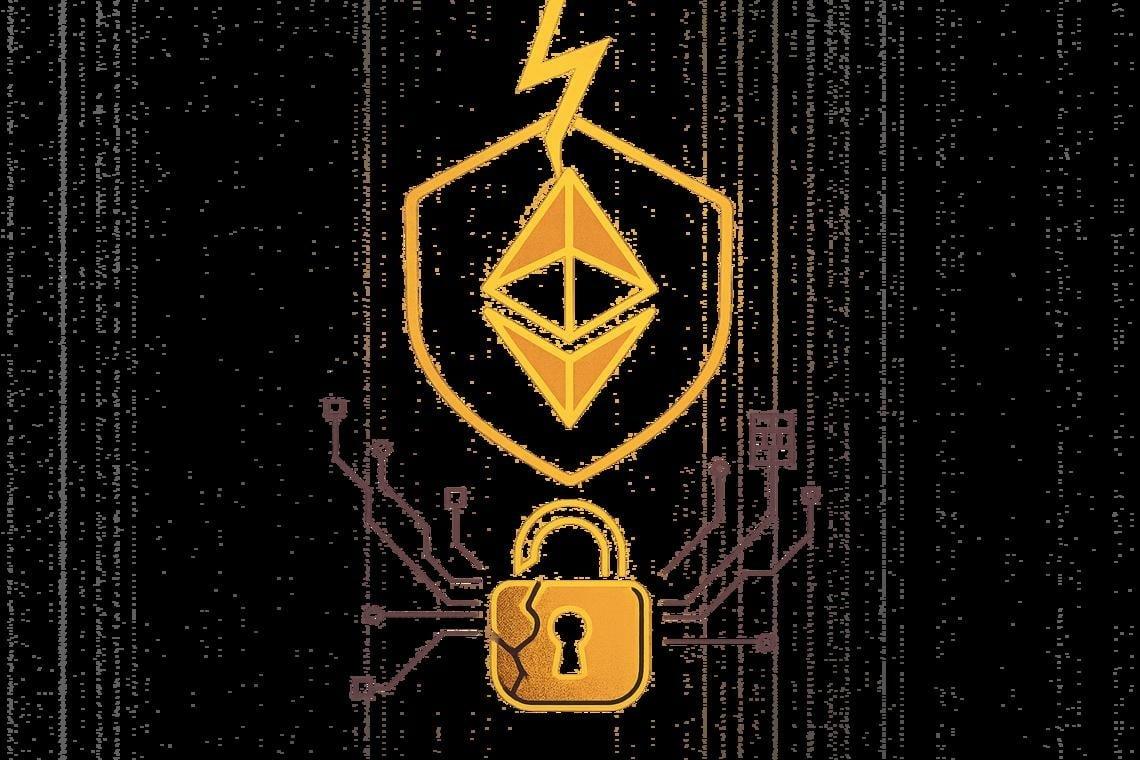
Centrally featured in this roadmap are native recursive STARK verification and advancements in post-quantum cryptography. STARKs, or Scalable Transparent Arguments of Knowledge, allow for zero-knowledge proofs, enhancing data privacy without compromising transparency. With quantum computing posing a future threat, post-quantum cryptography aims to bolster Ethereum's defenses by 2029, ensuring long-term viability.
The Importance of Privacy and Affordability
Another critical upgrade includes ZK-unlinkable staking, which facilitates validators' participation without exposing their on-chain transaction histories. This shift is vital for enhancing user privacy, an increasingly important aspect as regulatory scrutiny of digital assets intensifies. Furthermore, the roadmap introduces a more affordable storage option for simpler applications, promoting broader access to Ethereum's capabilities.
Gradual Upgrades and Economic Implications
Unlike the dramatic transition seen during the Merge, the Lean Ethereum rollout will occur gradually through a series of upgrades, with backward compatibility prioritized to maintain the functionality of existing projects. The upgrade roadmap has already seen milestones like Pectra, Fusaka, and Glamsterdam, with the next major upgrade, Hegota, expected in late 2026. This period of upgrades signals a commitment to sustained growth and stability.
One of the roadmap's most impactful claims is the potential reduction of transaction fees by over 10 times. Historically, lower fees have spurred increased network activity, elevating demand for ETH due to the connection between transaction volume and gas fees. The existing EIP-1559 mechanism would further amplify this effect, as more transactions lead to a higher burn rate of ETH, tightening supply. However, there is concern regarding how a decrease in fee revenue might influence staking yields. This economic model depends on a delicate balance where fee revenues must align with transaction volumes to ensure validator incentives remain robust.
Implications for the Ethereum Community
As the cryptocurrency landscape evolves, the Lean Ethereum roadmap positions Ethereum not just as a platform but as a pioneer in addressing pressing issues like privacy, security, and scalability. For investors, the anticipated reduction in transaction costs could stimulate engagement and investment in decentralized applications. However, the community's response to these developments will be crucial, especially regarding underlying economic models that support validator operations. Overall, this roadmap outlines a future where Ethereum continues to adapt and thrive amidst a rapidly changing digital world.