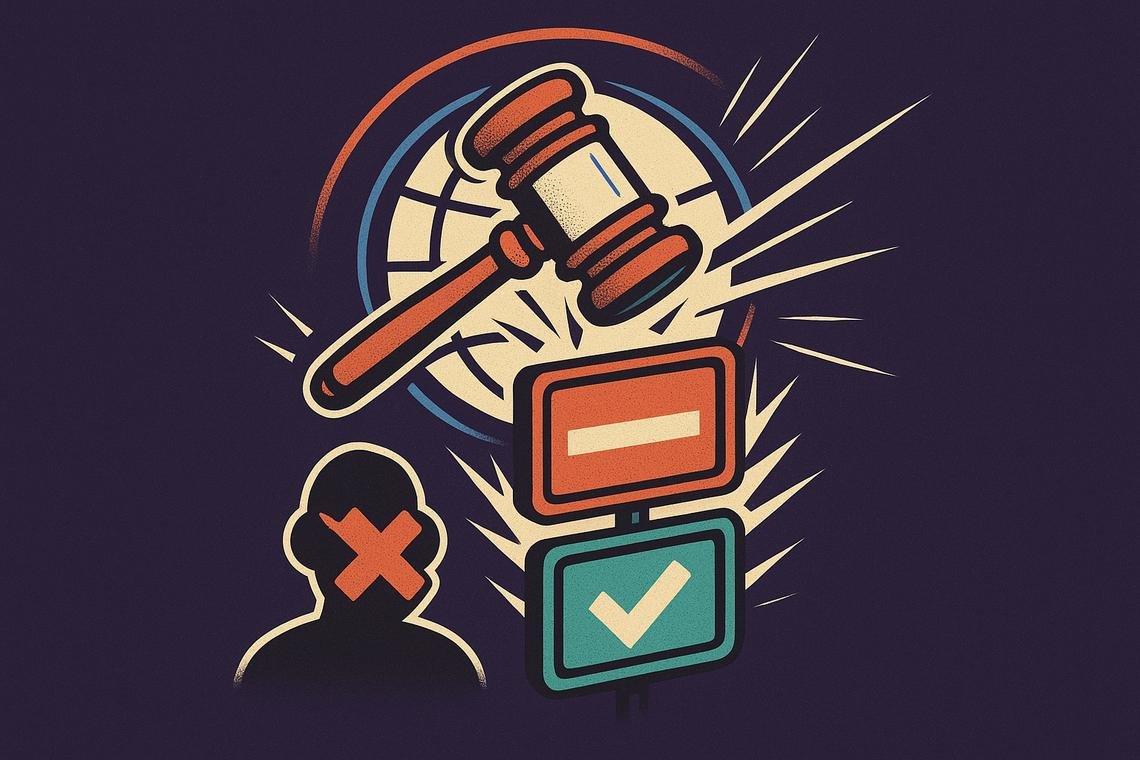
In a striking move, Sam Altman, CEO of OpenAI, is advocating for a global regulatory body focused on artificial intelligence. This proposal aims to establish a structured framework for AI governance that would ensure safety and ethical standards are maintained internationally. The importance of such an initiative stems from the complex challenges posed by rapidly advancing AI technologies, which cross national borders and pose risks that cannot be managed effectively through isolated national regulations.
Understanding the Proposal
Altman's vision includes a U.S.-led international forum designed to set safety standards and audit AI technologies. This would represent a significant shift from traditional regulatory frameworks, positioning governmental entities alongside independent experts. In essence, the forum would create a clear demarcation between AI developers and the regulators overseeing them, fostering a landscape where democratic institutions, rather than tech corporations, dictate governance. This is a critical step toward ensuring that advanced AI tools are subjected to rigorous evaluation and oversight, promoting both innovation and safety.
Potential Market Implications
As part of this initiative, Altman is reportedly exploring a substantial equity stake for the U.S. government within OpenAI, valued at approximately $42.6 billion based on the company's current valuation of $852 billion. This investment indicates a significant commitment to aligning governmental and corporate interests within the AI sector, potentially accelerating the development and regulation of AI systems that are safe and beneficial for society. By linking financial investment with regulatory oversight, the initiative could pave the way for stricter compliance and quality assurance standards across the AI industry.
A Parallel to Historical Governance Models
Altman draws parallels between his proposal and the governance of atomic energy, emphasizing that the monumental nature of AI necessitates a coordinated global approach. The concerns regarding unilateral actions, such as the recent U.S. export controls that restricted access to AI models from companies like Anthropic, highlight the risks of a fragmented regulatory landscape. The establishment of a unified forum would allow participating nations to operate under a globally recognized set of standards, promoting consistency and predictability in AI policy.
Broader Implications for Society and the Tech Industry
The practical ramifications of this framework are profound. With a comprehensive set of guidelines, countries participating in Altman's proposed forum would protect their citizens and businesses, ensuring that they have access to cutting-edge technologies while adhering to established safety protocols. Ultimately, the global community's ability to navigate the complexities of AI governance may determine the future trajectory of technological advancements and their impacts on society.