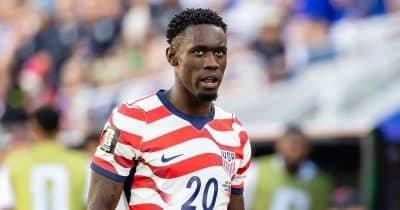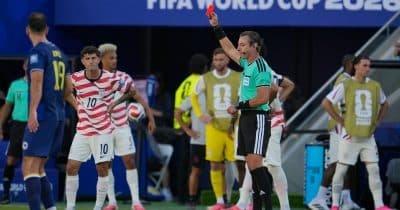
FIFA's recent move to suspend a mandatory red card ban for US striker Folarin Balogun has ignited a fierce debate around the integrity of the World Cup, raising questions that extend far beyond the realm of football.
A Historic Decision
On July 5, 2026, FIFA's Disciplinary Committee made a striking decision one not seen in over sixty years granting Balogun, who received a red card for serious foul play against Bosnia and Herzegovina, the chance to play in the crucial round-of-16 match against Belgium. The standard protocol for such infractions involves an automatic one-match suspension, which is now effectively frozen on a one-year probationary basis.
The Reaction from Belgium and UEFA
The backlash from Belgium has been swift and severe. The Royal Belgian Football Association expressed “astonishment” over FIFA’s ruling, stating it could lead to potential appeals. UEFA has gone so far as to label the decision a direct threat to the integrity of the tournament, indicating a wider concern about the ramifications for future matches.
What is particularly striking is the rumored involvement of political pressure in this case. Reports have surfaced suggesting that the US President, Donald Trump, contacted FIFA's President, Gianni Infantino, regarding Balogun's situation. This raises serious implications regarding national influence over global sporting events, particularly as the US co-hosts the tournament alongside Canada and Mexico.
The Ripple Effects on the Tournament and Beyond
This situation is unique not just for its immediate frustrations but for what it potentially signals for future disciplinary actions. If FIFA can invoke Article 27 for a host-nation player at such a pivotal moment, what precedents does this set for future tournaments? The disciplinary framework surrounding red card suspensions has been robust, with very few exceptions allowed. However, this case opens the floodgates for similar petitions in future competitions.
Furthermore, the US Men's National Team (USMNT) has not reached the quarterfinals of the World Cup since 2002, and Balogun plays a vital role in their current ambitions. His presence could fundamentally alter the narrative of US soccer on the world stage, making this decision even more contentious.
Balogun, originally born in New York but raised in England, chose to represent the US Internationally, further embedding the conversation about national identity within the sport. As the world watches, the development of this case may become one of the defining moments in this World Cup.