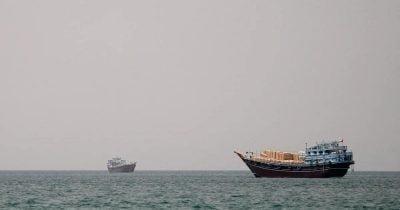
The recent proposal from Iran and Oman regarding the joint administration of the Strait of Hormuz signals a critical shift in the geopolitical landscape, particularly at a time when the region grapples with severe economic implications for global oil supply chains. This initiative not only raises questions about the tolls that may be imposed but also highlights the potential for escalating tensions within international maritime law frameworks.
What This Means for Global Maritime Trade
The Strait of Hormuz is a chokepoint for approximately 20% of the world's oil trade. The suggestion by Tehran and Muscat to potentially levy service fees on vessels transiting this vital route has escalated concerns among business and political leaders globally. Investment markets are already reacting with uncertainty, evidenced by recent pricing adjustments that estimate a 68.5% likelihood of fees being enacted, due to concerns over Iran's emerging trend of monetizing its strategic geographical levers.
- Iran and Oman propose joint control over the Strait of Hormuz.
- Market pricing reflects a 68.5% probability of toll implementation.
- Similar measures could affect the Strait of Malacca.
- Potential legal violations of UNCLOS provoke heightened market anxiety.
Market participants are particularly attentive to how this may influence other crucial maritime corridors, especially the Strait of Malacca, which could see similar fee proposals as a ripple effect. Such developments are not merely academic; they signify shifts in how countries exert control over strategic global trade routes.
Observations Moving Forward
Investors and stakeholders in the energy sector should prepare for the potential ramifications of this proposal. Official statements from Iranian authorities regarding fee implementations will be key, as will responses from affected nations. Additionally, international reactions from countries with vested interests in the Strait of Malacca like Indonesia, Malaysia, and Singapore will shed light on broader regional dynamics. The implications of these events could set a precedent for future proposals along other maritime chokepoints.
This article is for informational purposes only and does not constitute financial advice.