Brent crude oil prices surged to $90 per barrel as US-Iran conflict intensified, marking a critical threshold with broad implications for global energy markets and investors.
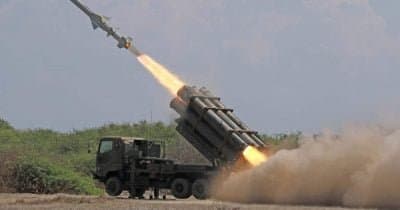
Escalating military actions, notably the ninth consecutive night of US strikes following the deaths of two soldiers in Jordan, have fueled concerns over supply disruptions, especially through the Strait of Hormuz, a chokepoint for a significant share of global oil shipments. This risk premium pushed Brent prices sharply higher, reflecting market anxiety about potential extended energy shortages.
Meanwhile, the US dollar has strengthened, a typical safe-haven response amid geopolitical instability. Investors are reallocating capital towards the dollar, betting on its resilience during uncertain times, which in turn adds pressure on commodity prices priced in dollars.
The International Energy Agency’s warnings about a looming energy crisis elevate the stakes, underscoring how geopolitical flashpoints can rapidly shift market dynamics and volatility.
Key indicators to monitor include any further military escalations, OPEC+ production signals, and updates on the Strait of Hormuz’s status, all of which could intensify or alleviate market fears. The interplay between oil price movements and dollar strength will remain a critical barometer for assessing risk appetite and investment flows.
This situation echoes past periods when geopolitical tensions triggered sharp commodity moves and corresponding currency shifts, reminding investors to stay alert to asymmetric risks in the energy sector and currency markets.
The recent oil price surge alongside Federal Reserve moves illustrates how intertwined these macro factors have become.
This material is informational and not financial advice.