$60.5% of market participants now expect Houthi missile strikes on shipping, up sharply from 35% a day earlier. This surge in market confidence signals a real risk ramping up for maritime traffic through the critical Red Sea corridor.
Escalation Following Saudi-Houthi Clashes
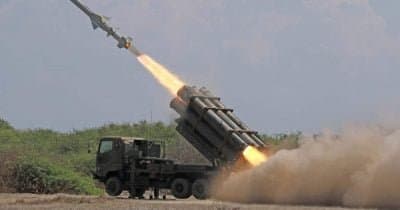
The Houthi movement in Yemen announced readiness to deploy anti-ship missiles targeting vessels breaching their naval blockade on Saudi Arabia. This action is a direct fallout from the recent Saudi air attack on Sanaa International Airport, which pushed the Houthis to formalize a retaliatory blockade reinforced by Iranian-supplied missiles. Historically, these weapons have disrupted Red Sea shipping lanes with tangible effects on global trade flows and energy supply chains.
Market Sentiment and Geopolitical Risks
The jump in prediction market probabilities to 60.5% for July and 64.5% for August reflects heightened anxieties among traders and analysts over possible successful Houthi strikes. This sentiment is underpinned by ongoing regional tensions and the demonstrated capabilities of the Houthis’ missile arsenal. Should these attacks materialize, insurance costs for shipping could spike sharply, rerouting cargo shipments and inflating logistical costs worldwide.
Investors and stakeholders must closely monitor statements from Houthi leaders and Saudi or allied military responses, as any escalation or de-escalation will recalibrate risk perceptions swiftly. The potential for intervention by U.S. or U.K. naval forces to intercept missile threats adds another dynamic layer that could either alleviate or intensify market nervousness.
These developments intersect with broader energy and security concerns, echoing risks highlighted in analyses like How US-Iran Conflict Threatens Oil Flows and Crypto Market Stability, where disruptions in critical choke points ripple across commodity and digital asset markets alike.
This material is informational and not financial advice.