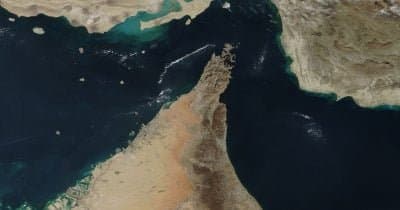
On July 14, the U.S. Central Command took action against maritime traffic near Iran, redirecting 12 commercial vessels and even disabling one ship in the Strait of Hormuz. The move revived a naval blockade that had briefly paused in mid-June. This corridor is key: nearly one-fifth of global oil passes through it, so interruptions ripple far beyond the region.
Trade is already feeling the strain. Market data shows fewer ships are expected to cross the Strait by the end of July compared to before the blockade resumed. This tactic sends a clear message amid rising tensions with Iran, as Washington aims to assert control over one of the world's busiest maritime routes that Iran contests fiercely.
The naval blockade’s return came after a period of calm, but now the atmosphere is charged again. Shipping companies operating here watch carefully for signals from both U.S. forces and Iran’s Revolutionary Guard. Any further enforcement moves could tighten restrictions or escalate conflict risks, affecting global supply chains and fuel prices.
Behind the scenes, these developments are part of a broader geopolitical chess game. The U.S. wants to pressure Iran over its regional activities, while Iran seeks to protect its influence and respond to perceived threats. The Strait of Hormuz, a narrow passage between the Persian Gulf and the Gulf of Oman, remains a flashpoint where these rivalries play out.
In the meantime, market watchers track the consequences closely, with some traders adjusting expectations about oil and shipping costs. The situation is fragile; even small incidents here can send shockwaves through energy markets worldwide.
This material is informational and does not serve as financial advice.