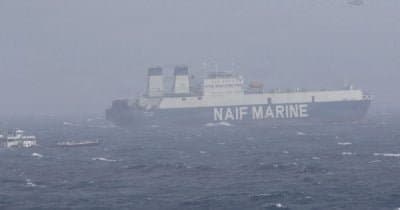
US forces have taken decisive military action by disabling the M/T Lavine, a merchant ship operating in the Gulf of Oman. This move is part of an ongoing US-enforced maritime blockade targeting Iranian oil shipments and vessels heading to Iranian ports. The incident marks a significant escalation, as military operations targeted a commercial ship sailing in international waters.
Increasing Military Enforcement in Strategic Waterways
The US Central Command (CENTCOM) has been actively conducting precision strikes against ships suspected of violating sanctions or transporting Iranian oil. The disabling of the M/T Lavine exemplifies this strategy, which aims to choke off Iran’s maritime trade routes. Previous operations involved using advanced munitions to enforce the blockade, escalating tensions in a critical global oil transit corridor.
Market Response and Regional Shipping Outlook
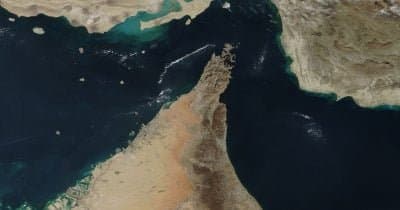
Traders and market analysts are closely watching the fallout from this incident. Pricing behavior suggests growing wariness around maritime security, potentially reducing traffic through the Strait of Hormuz, a vital chokepoint for global oil shipments. Industry observers rely on maritime data providers like Kpler and Lloyd’s List for updates on commercial shipping normalization. The situation remains fluid, with the possibility of further military interventions affecting regional commerce and global energy markets.
Statements from key players, including Iran’s leadership and US defense officials, will likely shape short-term risks. Any moves toward ceasefire or maritime guarantees could ease anxieties, while additional attacks might prolong disruptions. This episode fits into a broader pattern of sustained US enforcement that could redefine shipping patterns in the Gulf.
Material is for informational purposes and not financial advice.