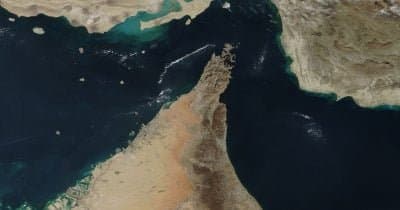
U.S. military forces disabled a tanker in the Strait of Hormuz after it ignored multiple warnings, escalating tensions in this critical waterway. The Strait is a chokepoint for global oil shipments, making any disruption here significant for international trade and energy markets.
This move follows a series of recent incidents where tankers were attacked or obstructed, fueling fears of prolonged instability in the region. Commercial shipping has already seen notable disturbances, and market signals now suggest there is only about a 26.5% chance that shipping traffic will normalize by the end of September. The implications for supply chains and oil prices remain uncertain as both sides maintain a hard stance.
The U.S. action underlines the fragile security environment around the Persian Gulf, where military posturing has become routine. Observers are closely watching for official reactions from Iran, as well as statements from U.S. military officials, which could influence market confidence and regional dynamics. Any further confrontations or diplomatic breakthroughs will shape how long these tensions persist.
The situation here is reminiscent of previous flare-ups affecting energy markets, including recent volatility triggered by political comments and missile defense concerns. Those events have already caused noticeable swings in oil prices, as seen when Trump's remarks on Iran influenced the market. The latest tanker incident adds another layer of uncertainty heading into the fall.
Monitoring maritime security updates from organizations like UKMTO and data providers such as Kpler remains essential for traders and analysts tracking oil flows through the Strait. The coming weeks will likely test the resilience of global shipping in one of the world's most sensitive maritime corridors.