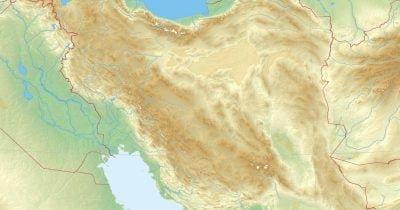
The recent peace agreement between the United States and Iran, while hailed as a pivotal moment for regional stability, is proving to be precarious, with serious implications for the global economic landscape. Signed on June 17, 2026, the Memorandum of Understanding aimed to halt hostilities stemming from ongoing conflicts, yet sporadic military engagements have raised doubts regarding the longevity of this ceasefire. As we move into the latter half of 2026, the ramifications of this fragile peace could significantly influence market dynamics.
Why This Matters to Investors and Economists
The US-Iran peace deal is a critical development for investors, particularly those tracking energy markets. The situation in the Strait of Hormuz, a crucial conduit for global oil supply, continues to evoke concerns over potential disruptions. Underlying tensions can lead to fluctuating oil prices, affecting not only regional economies but also global markets. Analysts are particularly worried as these tensions correlate with economic predictions:
- The destiny of the peace agreement directly impacts global economic risks.
- The military engagements are contributing to instability in oil pricing.
- Current market activities reflect a cautious stance, with diminished expectations for a comprehensive resolution.
As observed, prediction markets have shown a decline in the perceived likelihood of the US-Iran deal culminating in substantial agreements, hinting at investors' wariness about the potential for a long-lasting peace.
Future Monitoring and Potential Developments
Key players in US-Iran relations, including US President Donald Trump and Iranian Foreign Minister Javad Zarif, will be crucial in shaping the trajectory of future agreements. Analysts should remain vigilant regarding announcements concerning uranium enrichment limits or changes in the Strait of Hormuz's accessibility. Any shifts in military action or diplomatic breakthroughs could drastically alter market forecasts and pricing strategies.
Disclaimer: This material is for informational purposes only and should not be considered financial advice.