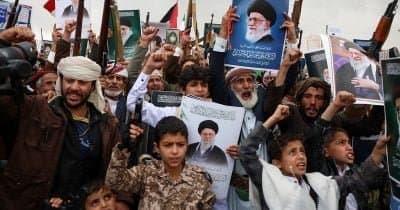
Trump put the Houthi rebels on notice this week, vowing "great military punishment" after their forces struck Saudi oil tankers in the Red Sea corridor. The White House made clear it holds Tehran directly responsible, treating the attacks as an Iranian proxy operation rather than an independent Yemeni campaign.
What's behind the escalation
The Houthis have been a persistent pressure point since late 2023, when they began targeting commercial shipping in the Red Sea under the banner of solidarity with Gaza. Washington has carried out intermittent strikes on Houthi positions in Yemen but has stopped well short of a sustained military campaign. That restraint now looks shakier. Tehran's hand in arming and advising the group has been a constant irritant in U.S.-Iran nuclear negotiations, and the latest tanker attacks handed hardliners in both capitals fresh ammunition.
Mediation efforts through Qatar and Pakistan have made little visible headway. Each round of Houthi strikes tends to reset whatever quiet progress diplomats had assembled, and this latest episode is no different. The broader U.S.-Iran standoff in 2026 was already complicated by disagreements over enrichment limits and sanctions relief timelines.
Prediction markets registered the shift quickly. The implied probability of a U.S.-Iran deal that includes Iran Reconstruction Funding dropped noticeably after Trump's statement, with YES positions across related sub-markets sliding in tandem. That single data point captures the trader read on the situation: military rhetoric and a diplomatic breakthrough rarely share the same timeline.
Any actual U.S. military action against Houthi infrastructure would mark a meaningful escalation beyond the limited strikes already conducted this year, and regional oil flows would feel it fast.