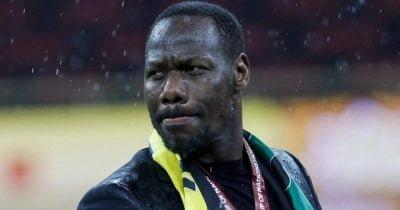
Pape Thiaw's dismissal as the head coach of Senegal's national football team marks a significant turning point in the narrative of African football management. Appointed in December 2024, Thiaw's brief tenure was notable for both its triumphs and its tumultuous end, culminating in the team’s disappointing performance at the 2026 FIFA World Cup.
Thiaw's achievements include leading Senegal to victory in the Africa Cup of Nations (AFCON) in January 2026, a feat that many coaches aspire to but seldom achieve. However, the subsequent challenges he faced paint a picture of a coach grappling with a chaotic administrative environment. Reports indicate that Thiaw went without pay for five months leading up to the World Cup, a situation that is hard to overlook when evaluating his performance under such stress.
The organizational problems did not stop at unpaid wages. Thiaw operated without a valid contract for a period, and a new deal was signed just hours before a crucial group stage match against Norway. This kind of instability can severely affect a team's morale and readiness, as the players are likely to pick up on the unease surrounding their coach. Coupled with a five-match ban from the Confederation of African Football and a fine of $100,000 related to an incident during the AFCON final, Thiaw entered the World Cup cycle with both a cloud over his head and the pressure of public expectations.
As Senegal struggled in the World Cup, losing in the group stage and then again in the round of 32, public sentiment shifted sharply. Organized petitions calling for Thiaw's removal circulated among fans, illustrating a growing discontent that went beyond mere disappointment. The Fédération Sénégalaise de Football ultimately acted on this pressure, demonstrating that in the world of sports management, the voices of fans can significantly influence decisions.
This sacking raises broader questions about the organizational stability of football federations in Africa and their ability to attract and retain top coaching talent. If a national federation cannot manage its own financial obligations, it signals significant issues in governance that could deter potential partners and sponsors from engaging with the team.
In conclusion, while Pape Thiaw can argue that external circumstances undermined his potential for success, the reality is that the footballing landscape is unforgiving. Winning a continental trophy does not absolve a coach from the fallout of an unsuccessful World Cup campaign, particularly when compounded by administrative chaos. For the Senegalese football federation, this episode presents an urgent need to reassess its operational practices and ensure that its leadership can better support its coaches moving forward.
This article is informational and should not be considered financial advice.