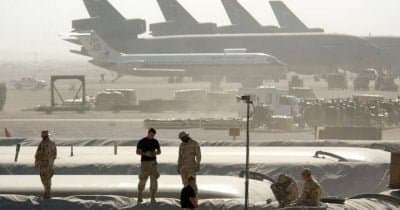
Both the United States and Iran are gearing up for major military operations, signaling a sharp rise in hostilities that could ripple across global energy markets. This increase in readiness follows recent military strikes by the US and Israel against Iranian targets, which have triggered missile and drone retaliations from Tehran. The cycle of attacks underlines continuing volatility in the region.
Military Build-Up Fuels Market Anxieties
The ongoing conflict in 2026 has sparked concerns about potential disruptions to oil supplies, heightening fears of price shocks. Energy markets are already pricing in these risks, reflecting skepticism over the possibility of a diplomatic resolution this year. Both sides seem entrenched, with political and military leadership in Washington and Tehran preparing for further escalation.
Observers are watching closely for any diplomatic breakthroughs, though market indicators suggest that a US-Iran deal is increasingly unlikely. The involvement of key figures like Donald Trump and Javad Zarif adds complexity to the situation, as regional allies balance their interests amid the standoff.
Oil prices have already responded to the tension, with recent market data showing a 12% rise in crude benchmarks since the conflict escalated, highlighting the stakes for global energy consumers. The unfolding military developments and their impact on energy supplies will remain a critical factor for international markets in the coming months.