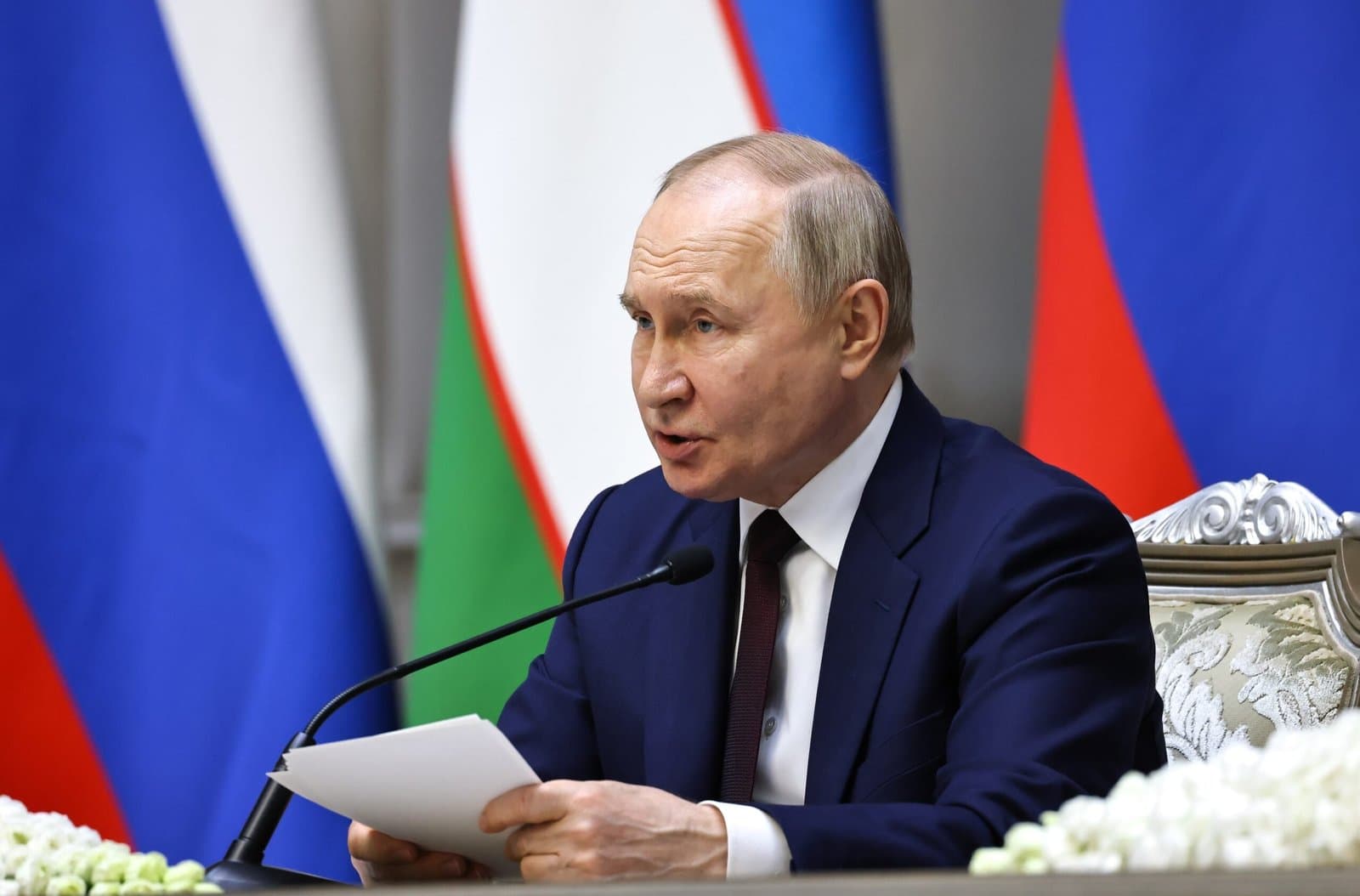
Putin signed the bill into law this week, marking a watershed moment for Russia's crypto stance. The framework shifts regulation from outright suspicion to state-controlled supervision.
The Bank of Russia will now oversee all licensed exchanges, brokers, and custody providers. This means retail traders can buy and hold digital assets through approved intermediaries, a significant opening compared to years of crypto ambiguity.
Domestic payments in crypto remain off the table. Russians still cannot use bitcoin or stablecoins to pay for coffee or rent, even through licensed channels. That ban stays firm.
Cross-border settlements with crypto get the green light. Companies doing international business can now settle trades in digital currencies, sidestepping SWIFT and traditional correspondent banking.
The rules activate September 1, 2026. Until then, brokers and exchanges have roughly 18 months to build compliant infrastructure, hire compliance officers, and integrate with Bank of Russia systems. Institutions watching the global regulatory race see Russia making calculated moves while western democracies still debate framework basics.
Market watchers flagged a peculiarity. Bitcoin prediction markets showed slight upward probability shifts after the bill passed, though the effect remained modest compared to major Fed announcements or geopolitical events.
The law itself reads pragmatic rather than permissive. It acknowledges crypto exists, establishes who profits (licensed intermediaries), and carves out zones where the state allows flows (external trade) while blocking zones where it fears capital escape (domestic payments). No ideological flourish, just plumbing.
This material is informational only and should not be treated as financial advice or investment guidance.