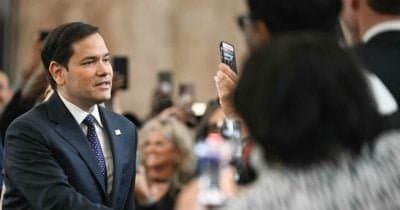
Oman's mediation efforts between Iran and the US appear to be working. Secretary of State Marco Rubio confirmed the two nations are making tangible progress on talks aimed at keeping shipping lanes open through the Strait of Hormuz, one of the world's most critical chokepoints for global energy supplies.
The breakthrough matters because Washington and Tehran aren't sitting across the table directly. Instead, Oman operates as the go-between, trying to hammer out a temporary safe maritime corridor that would ease the standoff. Rubio's public acknowledgment suggests the channel isn't dead, despite months of frozen relations elsewhere.
What the numbers show
Market pricing has already shifted. Traders betting on prediction markets are now pricing in a much higher chance of a full US-Iran diplomatic meeting by August 31, 2026, reflecting confidence that these narrow talks could broaden into something larger. The movement suggests serious money sees real momentum here, not just diplomatic theater.
The Strait itself handles roughly 20% of global oil passing through it daily. Any escalation there triggers immediate ripples across energy markets and shipping costs worldwide. That's why even modest de-escalation gets attention from both governments and traders.
Market watchers and the wildcards
What comes next depends on a handful of players. Any public statement from the White House confirming another negotiation round would strengthen the bullish case. So would a joint statement from Oman or other mediators. Conversely, military action by Israel or either party rejecting agreed terms could tank the diplomatic odds overnight.
Key figures like Iran's Foreign Minister Seyed Abbas Araghchi and Oman's Badr bin Hamad Al Busaidi hold outsized influence right now. Their statements move the needle on how traders assess the probability of breakthrough.
Still, progress in one narrow channel doesn't fix the broader US-Iran standoff. Rubio's comments reflect a genuine step forward on managing maritime tensions, but the two countries remain far apart on everything else. This is de-escalation on one specific issue, not a peace deal.
This material is informational only and should not be construed as financial advice or a recommendation to trade or invest in any particular market.