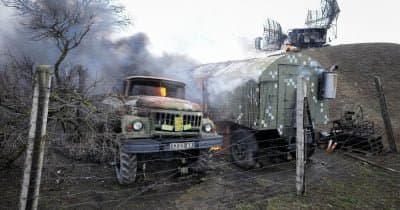
Ukraine struck more than 100 Russian vessels in the Black Sea last month. The campaign marks a sharp turn in how Kyiv wages war, moving beyond frontline battles to cripple Moscow's logistics network across the region. These attacks, combined with strikes on 18 Wildberries fulfillment centers, show a calculated effort to strangle Russia's ability to resupply troops and sustain its economy under sustained conflict.
The supply chain gambit
Long-range strike capability has become Ukraine's answer to Russia's numerical advantage on land. By targeting merchant vessels and distribution hubs deep inside Russian territory, Kyiv bypasses conventional military engagements and hits where Moscow feels the pain most sharply. Wildberries, Russia's largest e-commerce platform, suffered damage at 18 facilities, disrupting consumer goods flows that keep civilian morale stable and generate tax revenue. The math is straightforward: every logistics center offline is money Moscow cannot spend on weapons production or frontline supplies.
This strategy reflects lessons learned over four years of grinding conflict. Ukraine discovered that destroying a single bridge or port can accomplish more than weeks of trench warfare. The expanded reach into Russian maritime zones and interior territories signals technological progress, whether through drone improvements, intelligence gathering, or Western-supplied weapons systems. What once seemed impossible, now happens routinely.
Market risk calculus
Prediction markets price the probability of a NATO-Russia direct clash by December 31, 2026, at 26 percent. That number reflects how seriously traders view the escalation spiral. Each Ukrainian strike on Russian soil carries an implicit risk, the chance that Moscow retaliates against NATO members or miscalculates in a way that draws the alliance in. Putin's response to these expanded operations will determine whether tensions cool or accelerate further.
Watch for Russian military buildups near NATO borders, any diplomatic overtures toward ceasefire talks, or conversely, fresh threats from the Kremlin. These signals matter because they shape how markets price geopolitical risk, which in turn affects capital flows, commodity prices, and currency volatility across emerging markets dependent on stable global conditions.
This article is informational and does not constitute investment advice or a recommendation for any asset or strategy.