Elon Musk keeps saying he has no intention to merge Tesla and SpaceX. Wall Street doesn't believe him. But there's a real problem nobody can ignore: Tesla's massive operations in China.
The conflict is straightforward. SpaceX pulls roughly 20% of its revenue from US government contracts, including defense and intelligence work. Tesla runs one of its biggest factories in Shanghai, serving both China's domestic market and export lines. Merge them and you've got a single company that needs Beijing's permission to operate while collecting paychecks from the Pentagon.
The Committee on Foreign Investment in the United States would tear into such a deal. CFIUS reviews don't get tougher than this.
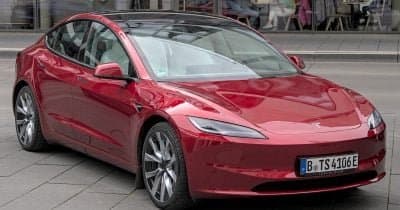
Tesla's Gigafactory Shanghai isn't some side operation. China is the company's second-largest market and a critical manufacturing engine. Losing access would cripple Tesla's production capacity. But staying entangled with China while running defense contracts for the US government? That's the nightmare scenario regulators see.
According to Reuters and The Wall Street Journal, Tesla executives have already been told to prepare for separating the company's Chinese business. The timing isn't random. US-China tensions keep rising, and Musk reportedly envisioned a structure that could isolate China operations if geopolitics forced the issue.
If Tesla splits off its China division, the regulatory barrier to a SpaceX merger shrinks dramatically. But then you're looking at a smaller, China-dependent Tesla operating independently. Who runs it? Who owns it? Those questions don't have easy answers.
For now, both companies operate separately, and Musk insists there's no plan to change that. Reality suggests otherwise. The architecture is already being sketched out just in case.
This piece is informational and does not constitute financial or investment advice.