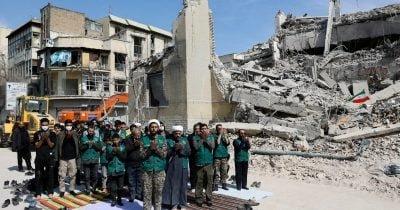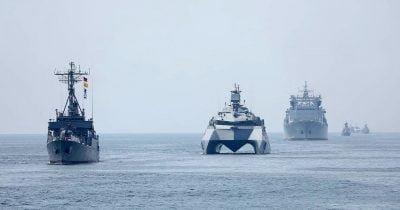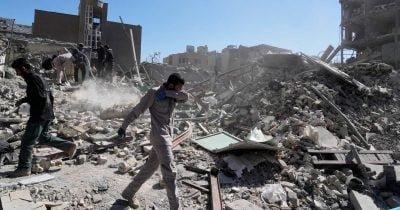
The United States has escalated its military involvement in the Middle East by launching a third round of airstrikes targeting over 80 military sites in Iran. This significant move follows a series of Iranian attacks on commercial vessels in the crucial Strait of Hormuz, illustrating a breakdown of the interim ceasefire and exacerbating the ongoing conflict known as the 2026 Iran war.
The closure of the Strait of Hormuz by Iran has raised alarm not only for military analysts but also for market participants, as this waterway is vital for global oil supply. The recent U.S. military actions have led to increased speculation about a full closure of Iranian airspace, which could have dire implications for air travel and logistics in the region.
Market Reactions to Escalating Conflict
Market dynamics are closely tracking these developments, with pricing reflecting rising concerns about airspace closures. The odds of Iran's full airspace lockdown have increased from 18% to 23.5% within the last 24 hours, showcasing heightened apprehension among investors and stakeholders. Such movements in market pricing serve as a barometer for geopolitical risks, particularly in light of recent military escalations.
The continuous cycle of retaliation between the U.S. and Iran further complicates the situation, as any additional Iranian defensive measures could lead to further instability. Investors and analysts must remain vigilant, monitoring key organizations such as the Civil Aviation Organization of Iran (CAOI) and Iranian State Television (IRIB) for updates on airspace status, as these announcements will significantly influence market behaviors.
What Lies Ahead?
The geopolitical climate remains fraught with uncertainty, raising questions about potential diplomatic interventions that could alleviate tensions. Any statements from President Trump or other international figures may sway investor sentiment and change market trajectories. The current environment of volatility underscores the interconnectedness of military actions and economic outcomes, as regional conflicts increasingly dictate global market dynamics.
- Key factors influencing market expectations include announcements regarding airspace status and diplomatic engagements.
This article is for informational purposes only and does not constitute financial advice.