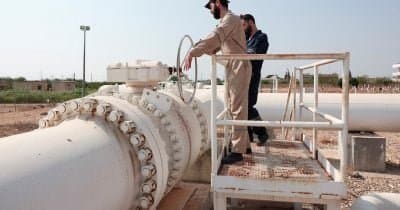
The United States is making a significant move to reinvigorate the Kirkuk-Baniyas crude oil pipeline, a project that embodies both historical significance and contemporary strategic relevance. Originally constructed in 1952, this pipeline once transported up to 300,000 barrels of oil per day, but has remained dormant since Iraq's invasion in 2003. With geopolitical dynamics shifting in the Middle East, this initiative is not merely about oil; it also represents a broader strategy to reconfigure energy supply routes away from the increasingly volatile Strait of Hormuz.
Context of the Revival
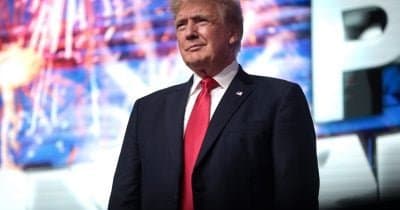
Iraqi Prime Minister Ali al-Zaidi is poised to sign a memorandum of understanding with TI Capital, a US investment firm, during a scheduled meeting with President Trump. This agreement, anticipated for mid-July 2026, aims to establish a new export route for Iraq that bypasses the Strait of Hormuz, a chokepoint where approximately 20% of the world's oil traverses. The danger posed by potential escalations involving Iran has made the necessity for alternative routes glaringly evident.
The Iraqi cabinet has already paved the way for this project by approving preliminary agreements as of July 5, 2026. A consortium that includes Chevron and Qatar’s UCC will assess the feasibility and strategic implications of reviving this pipeline, with reconstruction costs estimated between $4.5 billion and $8 billion and a targeted completion time of two to three years.
Market and Geopolitical Implications
Should the pipeline ramp up to its historical capacity, the impact on energy markets could be substantial. The addition of non-Hormuz export capacity may help stabilize prices and shift them towards European and African benchmarks instead of allowing them to be solely influenced by Asian markets. This diversification could alter trade flows and pricing structures across several regions.
Moreover, the intersection of energy infrastructure and digital finance cannot be overlooked. As Iran reportedly considers the integration of cryptocurrency for toll-related transactions, we might witness an evolution in how energy transactions are conducted in the region. This could usher in new transactional efficiencies and create a more dynamic relationship between energy markets and digital currencies, possibly influencing investor strategies and market trends.
This material is informational and should not be considered financial advice.