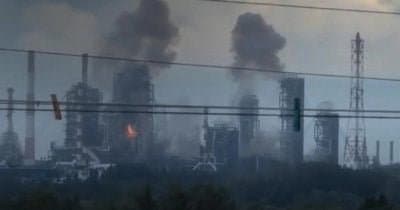
The recent strike on energy sites has dramatically influenced oil prices, reflecting escalating tensions between the United States and Iran. Brent crude futures surged by 3.47%, reaching $86.19 per barrel, while West Texas Intermediate (WTI) crude increased by 1.96% to $79.67 per barrel. These increases signal growing market anxieties regarding potential supply disruptions amidst renewed hostilities, particularly following Iran's attacks on commercial vessels in the strategically vital Strait of Hormuz.
This recent conflict prompted the U.S. government to reinstate a naval blockade against Iranian oil shipments and revoke previous sanctions relief. Such actions spotlight the precarious nature of the temporary truce established just last month, which now appears increasingly fragile.
Market Implications and Predictions
The volatility observed in the oil market extends beyond immediate price changes; it also reflects a shift in the outlook of prediction markets. Currently, there is a 5.8% probability of crude oil reaching an all-time high by September 30, a decrease from 8% just a day earlier. Furthermore, the likelihood of hitting that mark by December 31 has risen to 12.5%. This indicates that traders are adjusting their expectations based on geopolitical risks that could further affect oil supply and prices.
Market concerns are heightened, as the potential for military escalation in the region could lead to further disruptions. Recent events illustrate that even minor skirmishes can have outsized effects on global oil supplies, and the market is clearly sensitive to these developments.
What to Monitor Going Forward
Investors should remain vigilant regarding military activities in the Strait of Hormuz, as any additional confrontations could exacerbate supply fears. Statements from OPEC and other major oil-producing countries regarding production levels will be critical in shaping market sentiment. Moreover, diplomatic interactions between the U.S. and Iran will likely either alleviate or intensify tensions, directly impacting oil market forecasts.
This article is for informational purposes only and does not constitute financial advice.