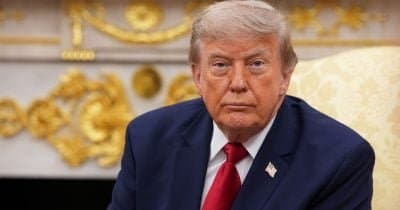
President Trump’s recent decision to scrap the proposed 20% toll on cargo traversing the Strait of Hormuz marks a significant pivot in U.S. foreign policy towards Gulf nations. This shift aligns with a broader strategy focusing on trade and investment agreements rather than imposing direct financial measures on regional maritime traffic.
The original toll proposal, which had drawn criticism for potentially breaching international maritime law, faced mounting backlash amid escalating tensions with Iran. By abandoning this plan, Trump appears to be steering towards de-escalation and fostering economic engagement, a move that could reshape the dynamics of U.S.-Iran relations. The elimination of the toll not only alleviates immediate economic pressures on shipping but also signals a reduction in the likelihood of increased hostilities in the region.
This decision has implications for market behavior, with analysts observing a decrease in the odds of the U.S. imposing such fees, likely influencing both local and international confidence in maritime operations. Interestingly, market predictions now suggest that Iran might consider implementing its own fees, reflecting a shift in regional dynamics that traders should monitor closely. The uncertainty surrounding tolls has already impacted confidence levels regarding the normalization of traffic through the Strait, with projections for traffic returning to pre-war levels by mid-July appearing less optimistic.
As developments unfold, attention will focus on critical announcements from the Iranian government about potential fee implementations and any shifts in U.S. diplomatic or military strategies in the area. Additionally, monitoring commercial shipping traffic and responses from major shipping firms will provide vital insights into how these changes affect regional trade.