Traders are pricing in a shrinking window for de-escalation. Prediction markets currently show a 55.5% probability that the U.S. blockade of Iran lifts by August 31, a gap that widens as Trump's ultimatum hardens the negotiating stance.
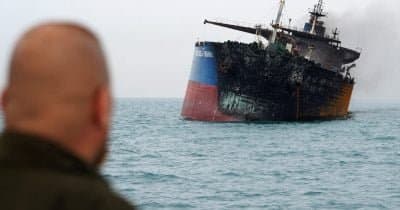
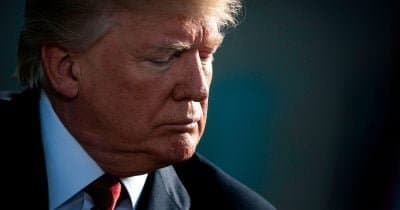
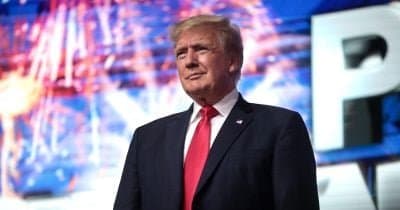
The former president has pivoted from soft diplomatic language to explicit conditions: Iran either strikes a deal or faces full economic strangulation. His latest remarks zeroed in on the Strait of Hormuz, the waterway that shuttles roughly one-third of all seaborne oil globally. A sustained blockade here isn't abstract economics. When the Strait tightens, tanker rates spike, refineries scramble for alternative supplies, and energy-dependent currencies take hits within hours.
Right now, neither side appears ready to blink. The U.S. and Israel have called a temporary halt to new military strikes, a gesture toward negotiations. But the blockade itself remains in place, and Trump's framing leaves little room for face-saving compromise. Tehran has made no public concessions. Instead, Supreme Leader Ali Khamenei's camp has doubled down on resistance rhetoric.
What changes the math? A confirmed deal would flip market sentiment almost instantly. So would any official U.S. statement lifting sanctions or reopening the Strait. Conversely, a fresh round of military escalation or CENTCOM reactivating enforcement would likely push those 55% odds even lower. Watch Trump's next statement closely. Watch Khamenei's response. The Strait of Hormuz doesn't care about rhetoric, only flows.
This material is informational and does not constitute financial advice. Market probabilities reflect trader positioning, not outcomes.