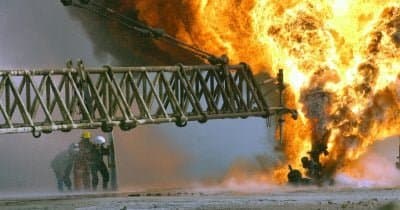
Brent crude dropped over 1% as negotiations between the U.S. and Iran gained traction. The market is pricing out some of the geopolitical panic that had pushed prices higher. Crude now sits in the low-to-mid $80s, a step back from peaks driven by Middle East tensions.
U.S. analyst Bessent flagged what many traders are thinking: energy prices could stabilize from here. The move makes sense. When conflict fears ease, that risk premium baked into every barrel gets trimmed. Analysts watching the data see modest probability odds that crude hits fresh all-time highs by late September, with markets assigning just 4% odds to that happening. December futures show slightly more conviction, at 12%, hinting traders suspect something could flare up later in the year.
The numbers shifting
The market reaction has been crisp. Geopolitical premiums that ballooned on supply disruption worries are compressing. This isn't just sentiment, either. Real supply chains adjust when tensions cool. Shipping flows normalize. Logistics ease up. Those mechanical adjustments take weeks, sometimes months, but they compound into actual price relief.
What moves next
Watch the Iran talks closely. A formal deal doesn't just lower oil prices, it reshuffles the entire regional calculus. OPEC will matter too. The cartel's production calls have outsized influence when geopolitical noise fades. If producers start competing on volume instead of managing scarcity premiums, the entire price floor shifts lower. Meanwhile, Middle East stability remains the swing factor. One escalation unwinds weeks of negotiation progress in hours.
This article contains market analysis and price data only. Not investment advice.