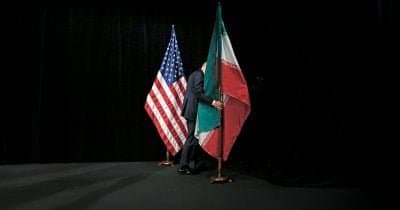
"The pause in Iran tensions opened the floodgates," one Indian refinery trader noted this week. Venezuela's oil shipments are collapsing faster than anyone expected. In July, Caracas sent just 1.16 million barrels per day to global markets, down from 1.2 million in June, but the real damage shows in India's buying patterns. Delhi pulled back to 178,000 barrels daily from 277,000 the month before, a 36% drop in a single month. Meanwhile, U.S. imports hit their highest level since early 2019, climbing to 786,000 barrels per day, which suggests American refiners are getting the overflow that Indian buyers suddenly no longer want.
The shift reveals something deeper about how quickly supply shocks absorb into markets. When Iran's conflict with its neighbors cooled, Middle Eastern crude became readily available again. Refineries that had turned to Venezuelan heavy oil as a substitute, especially in India, immediately switched back to lighter Gulf barrels. Venezuelan crude is thick, corrosive stuff that requires more processing. It's fine when you have no choice. It's terrible when you do. The numbers don't lie, and neither do trader reactions. Betting markets now price the odds of crude reaching an all-time high by late September at just 3.7%, down sharply from where things stood weeks ago when Middle East tensions seemed to be heating up. Stability kills bull cases. Low prices kill them faster.
What happens next depends largely on whether the Iran ceasefire holds and whether OPEC actually cuts production to prop up prices. Saudi Arabia and its allies have shown little appetite for aggressive output reductions in recent months, and geopolitical breathing room tends to embolden them to produce more, not less. If Middle Eastern barrels keep flowing freely while Venezuelan exports stagnate under years of sanctions and infrastructure decay, the calculus shifts entirely. U.S. refineries will keep buying cheap Venezuelan crude when the price gap widens enough, but India is unlikely to return to heavy volumes anytime soon. The Iranian pause didn't just reshuffle the deck. It fundamentally broke the demand patterns that had kept Venezuelan oil relevant.
This material is informational only and should not be construed as financial or investment advice. Market conditions and geopolitical developments change rapidly.