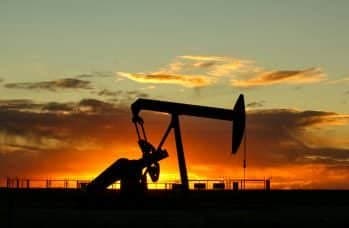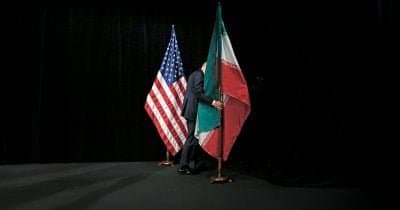
Kuwait pumped 1.65 million barrels per day in June. That's nearly three times the 580,000 bpd it managed in May, and the strongest output since the Iran conflict shut down the Strait of Hormuz back in February. The jump happened because force majeure restrictions finally lifted on June 18, when an interim peace deal between the US and Iran cracked the door open for Gulf exports to resume.
Before the conflict erupted, Kuwait was producing around 2.5 million bpd. So even with the June surge, the country still sits roughly 850,000 bpd below its pre-conflict baseline. During the final ten days of June alone, daily output briefly touched 1.9 million bpd, signaling how aggressively producers were ramping up once the blockade eased.
How We Got Here
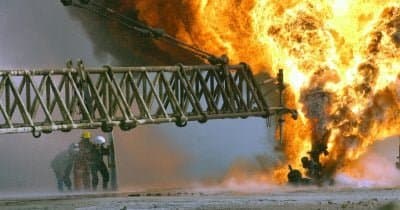
The story began in late February 2026, when US and Israeli strikes on Iran triggered immediate retaliation. Iran's closure of the Strait of Hormuz, the narrow waterway carrying roughly a quarter of global seaborne oil trade, effectively strangled Gulf exports overnight. Kuwait and other regional producers had no choice but to slash output dramatically. Collectively, Gulf producers cut somewhere between 6.7 and 10 million bpd by mid-March, creating a supply shock that pushed crude above $100 per barrel at various points.
Institutional Money Signals Confidence
Kuwait Petroleum announced a $16 billion pipeline lease-leaseback deal with Blackstone, KKR, and Brookfield in July. The move signals that major institutional investors are betting on Kuwait's long-term production capacity despite elevated short-term risks. These aren't small players hedging their bets, they're billion-dollar funds committing capital to the region's recovery.
The geopolitical backdrop remains volatile. The US has targeted Iranian digital assets as part of its broader economic pressure campaign, creating enforcement risks that ripple through financial markets. When the conflict escalated in late February and March, Bitcoin experienced significant liquidation events as risk-off sentiment swept across asset classes. Oil supply disruptions of this magnitude don't stay confined to energy markets, they bleed into crypto volatility, equities, and broader portfolio positioning. Traders watching the Strait know that geopolitical calm, even temporary, reshuffles risk appetites across all asset classes.
This article is informational only and does not constitute financial advice. Geopolitical and commodity market developments carry inherent risks that may affect various asset classes including cryptocurrencies.