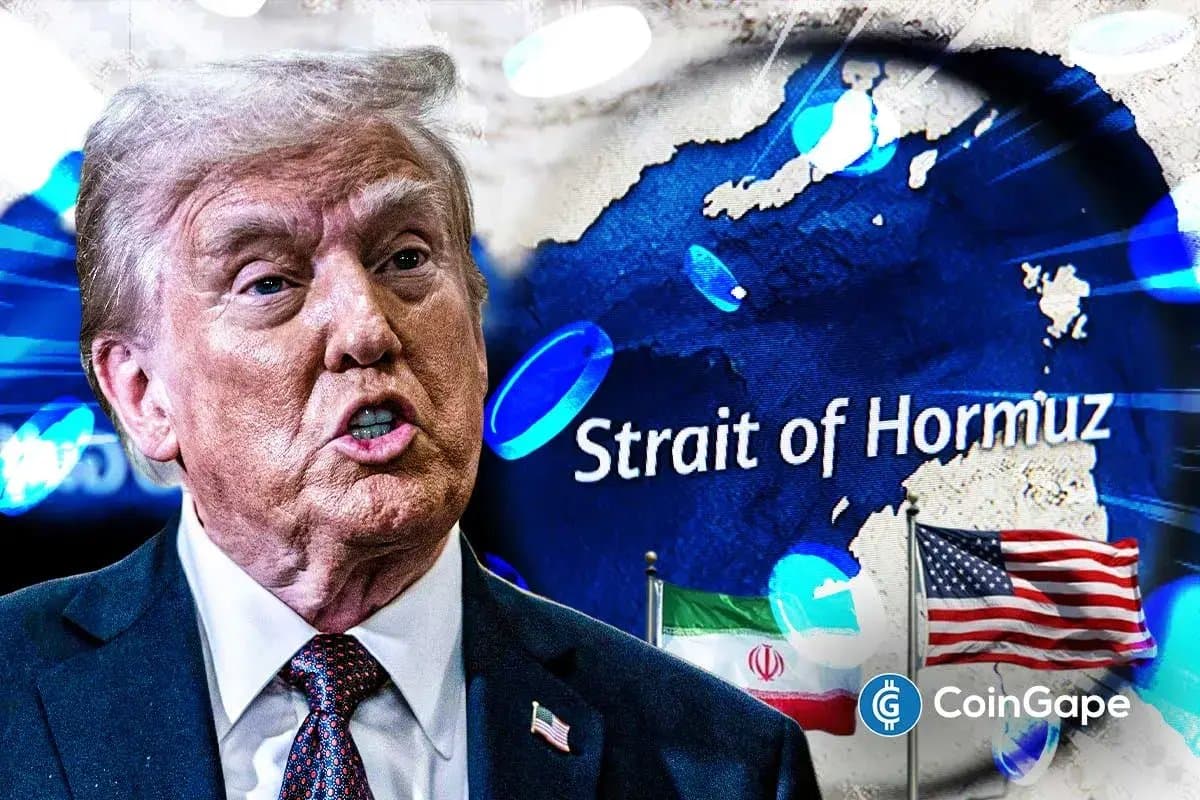
Washington, Tehran, and Oman just inched closer to a temporary deal that could reopen the Strait of Hormuz. Oil prices tanked on the news, stocks jumped to fresh highs, and the crypto market did basically nothing.
That gap matters. When geopolitical risk unwinds, money usually flows everywhere at once. Equities, commodities, digital assets, all up together. This time, Bitcoin held steady near $67,000, Ethereum and XRP barely moved, while crude fell hard from the $110 level. The disconnect suggests traders aren't convinced the deal will stick, or they're waiting for clearer signals before rotating into risk assets.
Why crypto is hesitating
The Hormuz situation sits at the messy intersection of energy markets and geopolitical theater. Oil cares about barrel scarcity. A reopened shipping route means more supply, lower prices, relief for refineries and airlines. That's mechanical. Crypto, though, responds to broader risk sentiment, central bank moves, and inflation expectations. Lower oil is deflationary in the short term, which could support bonds and keep the Fed patient on rates. But it's not a slam dunk that traders immediately buy Bitcoin on those odds.
Trump's recent signals on swift Hormuz reopening did lift sentiment, yet the market is treating this deal like any other tentative ceasefire. Temporary agreements fall apart. Iran's track record on compliance is mixed. Oman brokered this, which is solid, but without binding enforcement, traders aren't rewarding the bet yet.
Oil at $110 is already priced in some relief. Bitcoin at $67,000 is still waiting to see if the peace holds. When it does, or when it doesn't, crypto will move. For now, the market is doing what it does best: nothing, until the next headline.