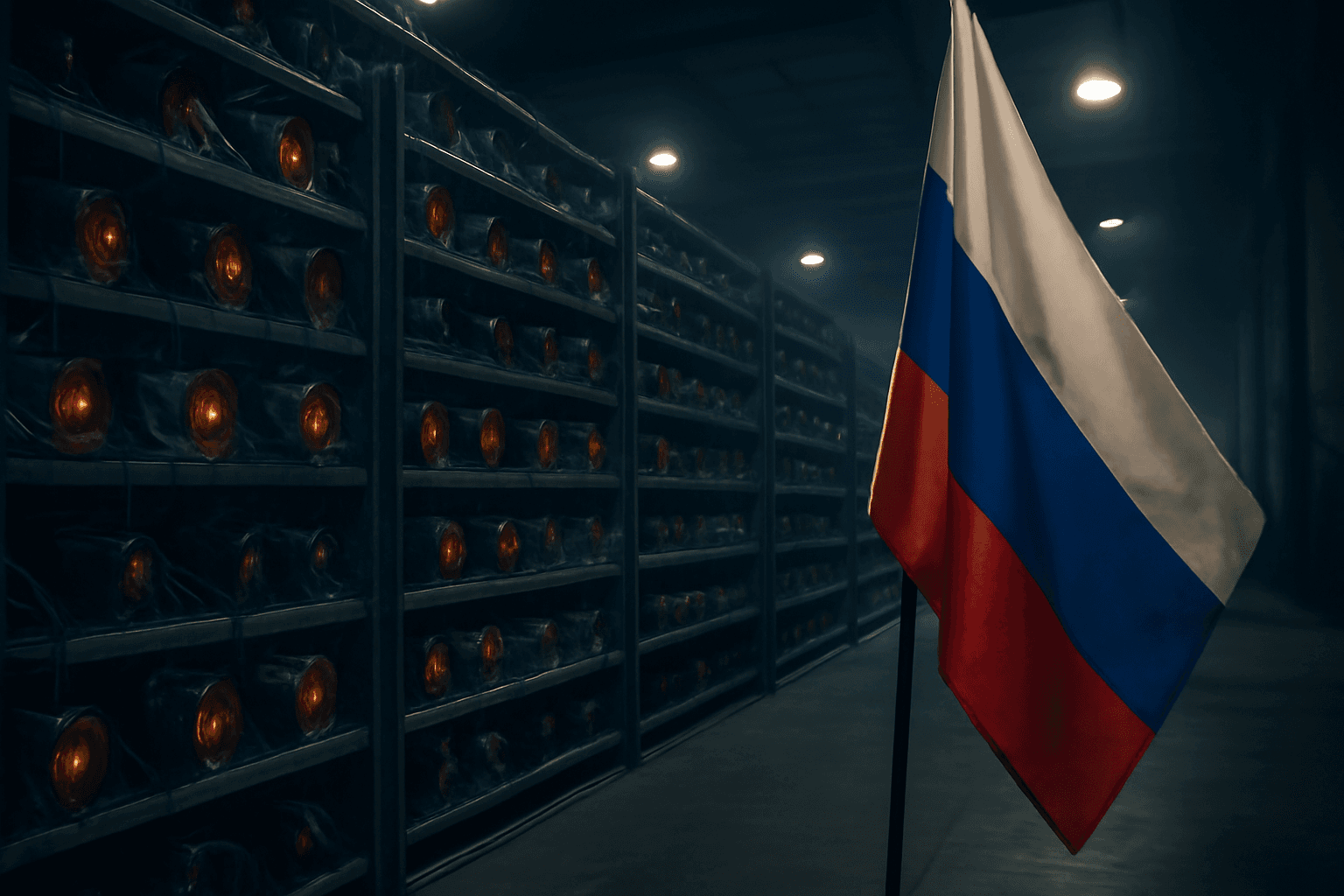
Starting August 15, 2026, Moscow and its surrounding region face a strict ban on cryptocurrency mining that will last until the end of 2032. This move targets more than 65 data centers consuming a staggering 734 MW of power, aiming to relieve severe pressure on the local electricity grid.
Energy Strain Drives Russia’s Expanding Mining Restrictions
The Russian government expanded its 2024 decree, which initially banned crypto mining in select regions, to now include the capital city and neighboring districts. Signed by Prime Minister Mikhail Mishustin, the updated Resolution 936 extends the ban to several municipal districts in the Moscow and Kursk regions. Authorities cite the urgent need to prioritize electricity supply for social infrastructure and industrial enterprises amid growing concerns over energy shortages.
This latest prohibition follows similar bans implemented in parts of Siberia and the North Caucasus, including Dagestan and Chechnya, where crypto mining was identified as a major contributor to grid instability. Deputy Prime Minister Alexander Novak emphasized that while cryptocurrency activities have value, they must not compromise essential services.
Wider Implications for Russia’s Cryptocurrency Ecosystem
The Moscow ban could reshape the dynamics of Russia’s crypto mining landscape, forcing operators to relocate or pause activities for over six years. This long-term restriction may accelerate shifts toward regions with more stable power supplies or push miners offshore. The government’s approach reflects a growing trend of tightening regulatory controls over crypto operations in response to energy consumption concerns.
As Russia cracks down on mining hubs, it coincides with other market developments such as major Bitcoin sales by institutional players and fluctuating interest in decentralized exchanges. The interplay between regulatory pressure and market movements will be key to watch in the coming years.
This content is for informational purposes only and does not constitute financial advice.